History – From Riga to the world
Company · Since 1901
- 1868 · Riga, Latvia
An inventor from Riga.
Richard Kablitz is born in Riga on 20 May 1868. After studying at the Riga Polytechnic Institute, he works as a mechanical engineer and develops the finning of cast-iron tubes.
- 1901 · Riga, Latvia
The founding.
The company is founded in Riga. This is where the history of Kablitz truly begins.
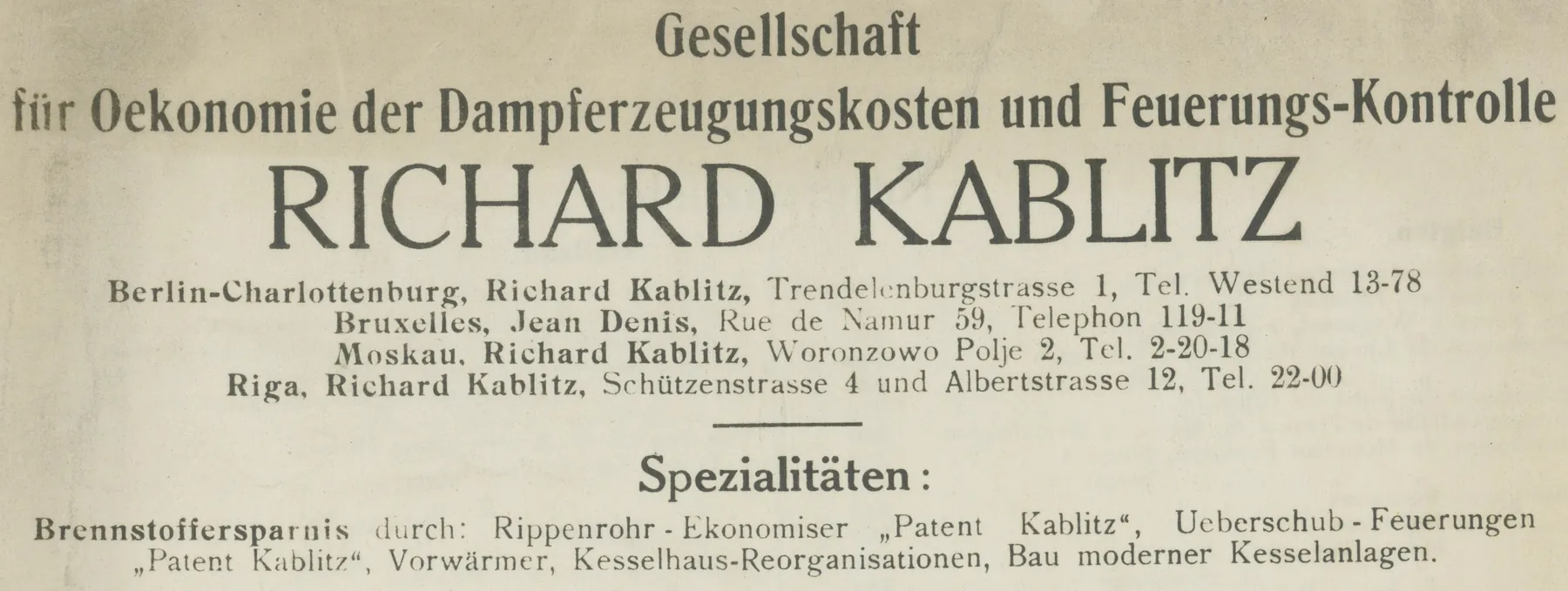
Historic letterhead · Kablitz archive - 1915–1918 · Russia
Evacuation in the First World War.
The factory is moved to Cherepet, the engineering office to Petrograd (today St Petersburg).
- 1919–1939 · Riga, Latvia
Back in Riga.
Return to Riga and further development of the company. Kablitz advances its heat engineering and exports its products internationally.
- 1939–1941 · Wartheland
Relocation of the company.
Owing to the political changes in the Baltic states, the company is moved to Germany and settled in the Wartheland.
- 1945 · Marbach near Lauda, Germany
A new start in the West.
Richard Kablitz and his family arrive in Marbach near Lauda in the summer of 1945.
- 1949–1951 · Lauda, Germany
A new company site.
The new company site is built up. In 1951 the new premises in Lauda are founded with their own metalworking shop and foundry.
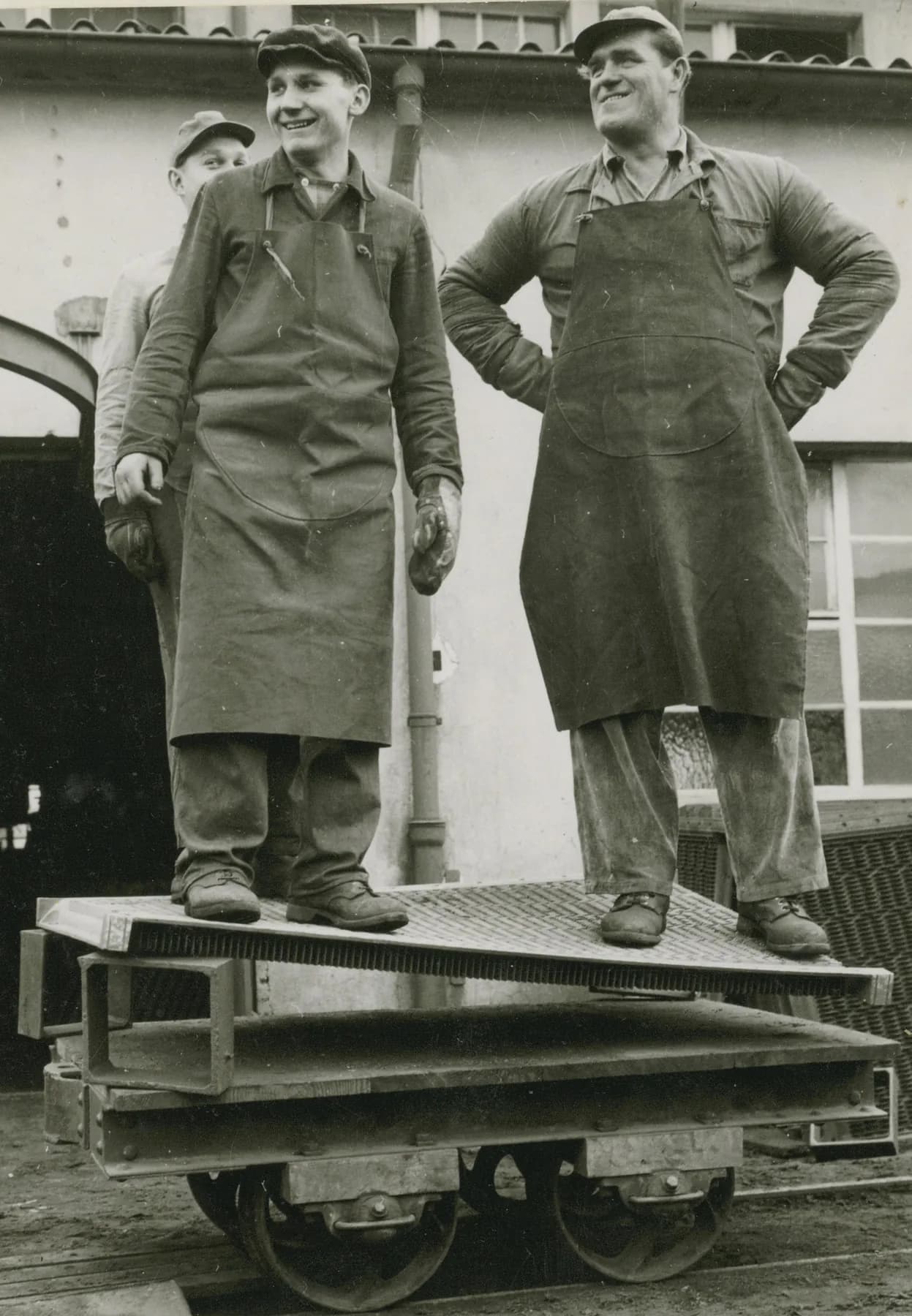
Manufacturing in Lauda · archive photo - From 1951 · Lauda, Germany
International growth.
Kablitz grows and supplies its heat engineering worldwide, including for 24 large tankers of the Onassis shipping company.
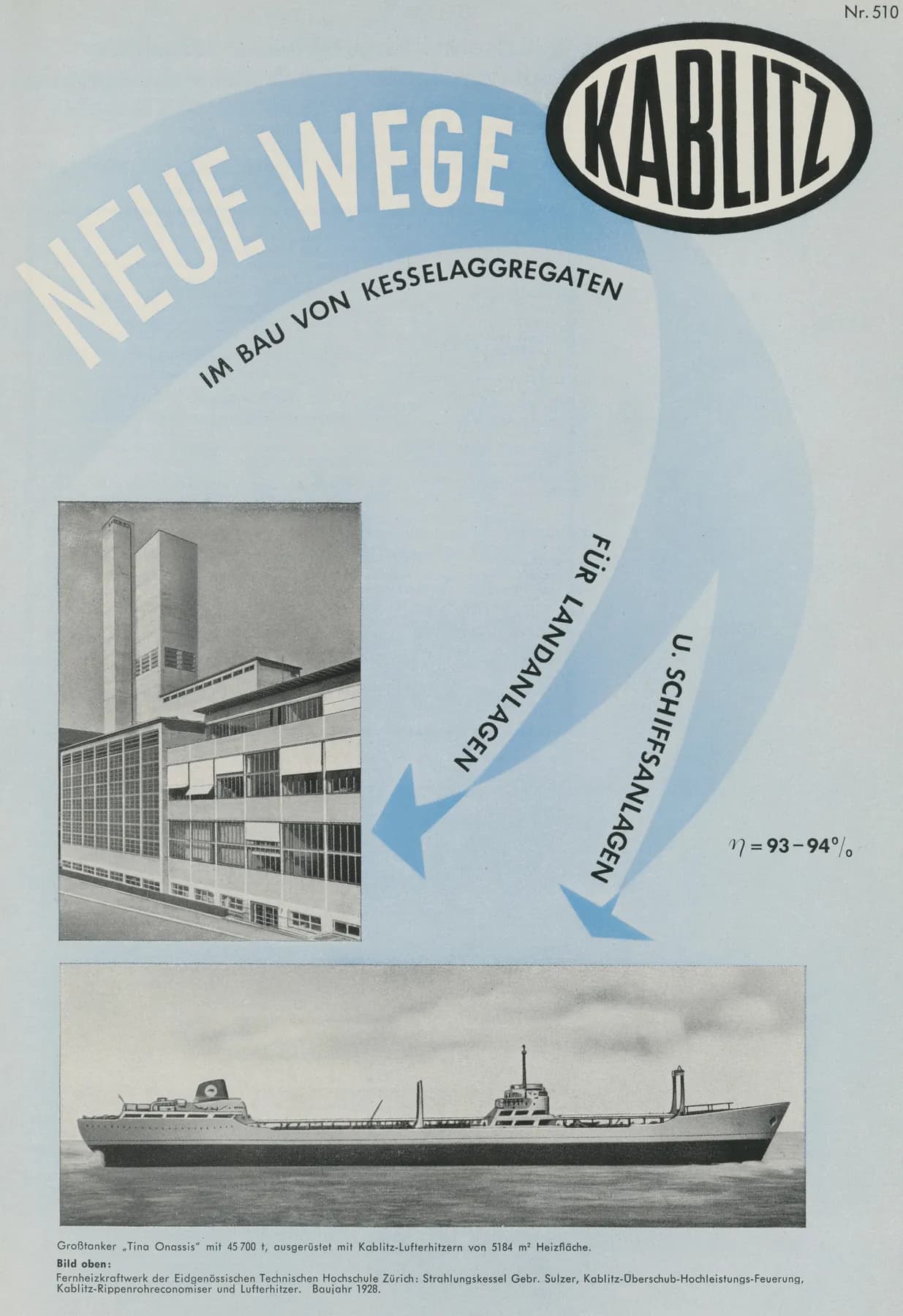
Reprint “New ways” · land and marine installations - 1990 · Lauda, Germany
A focus on plant engineering.
The company begins to design and supply complete plants.
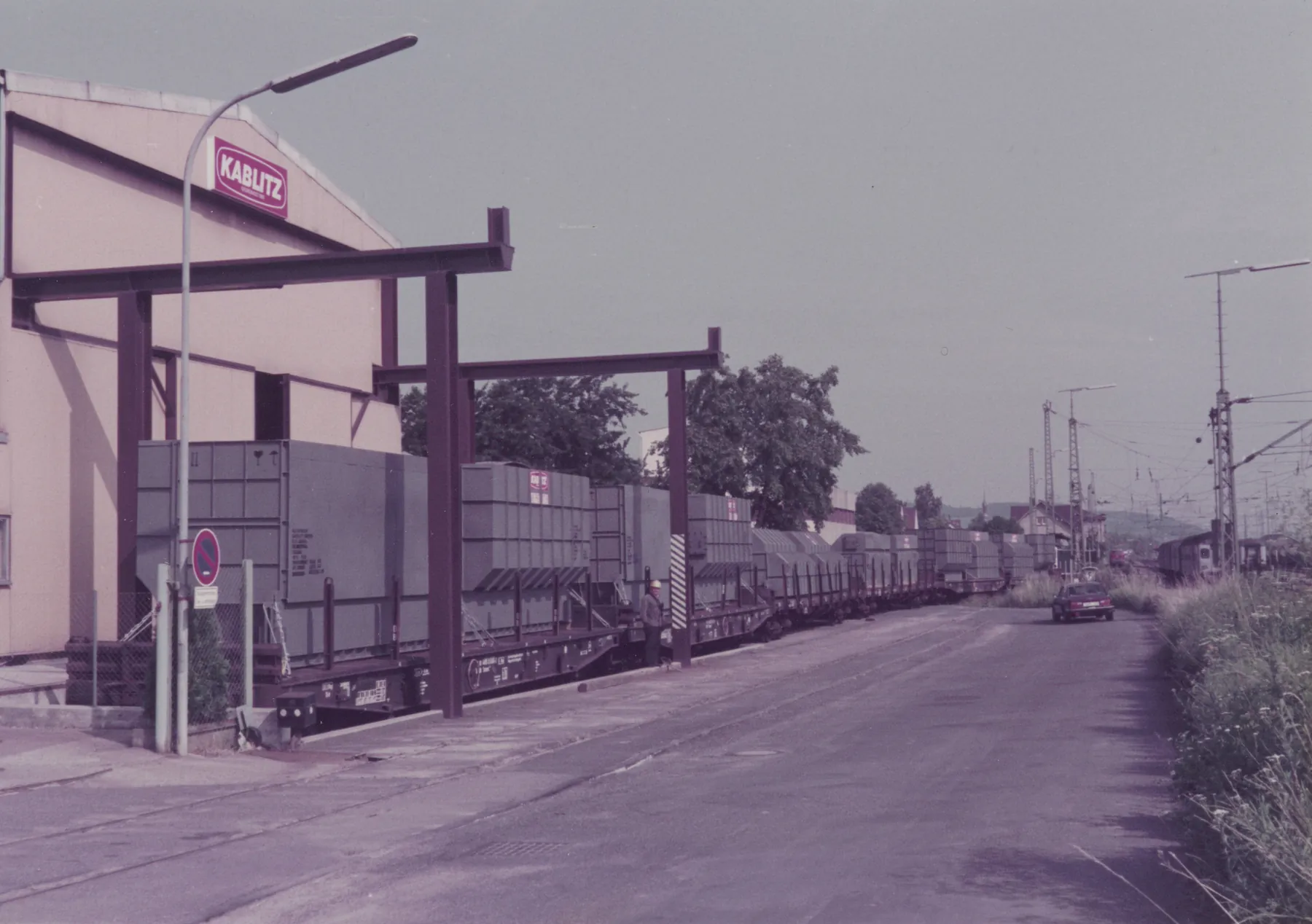
Loading at the works · archive photo - 2008
Menznau
Switzerland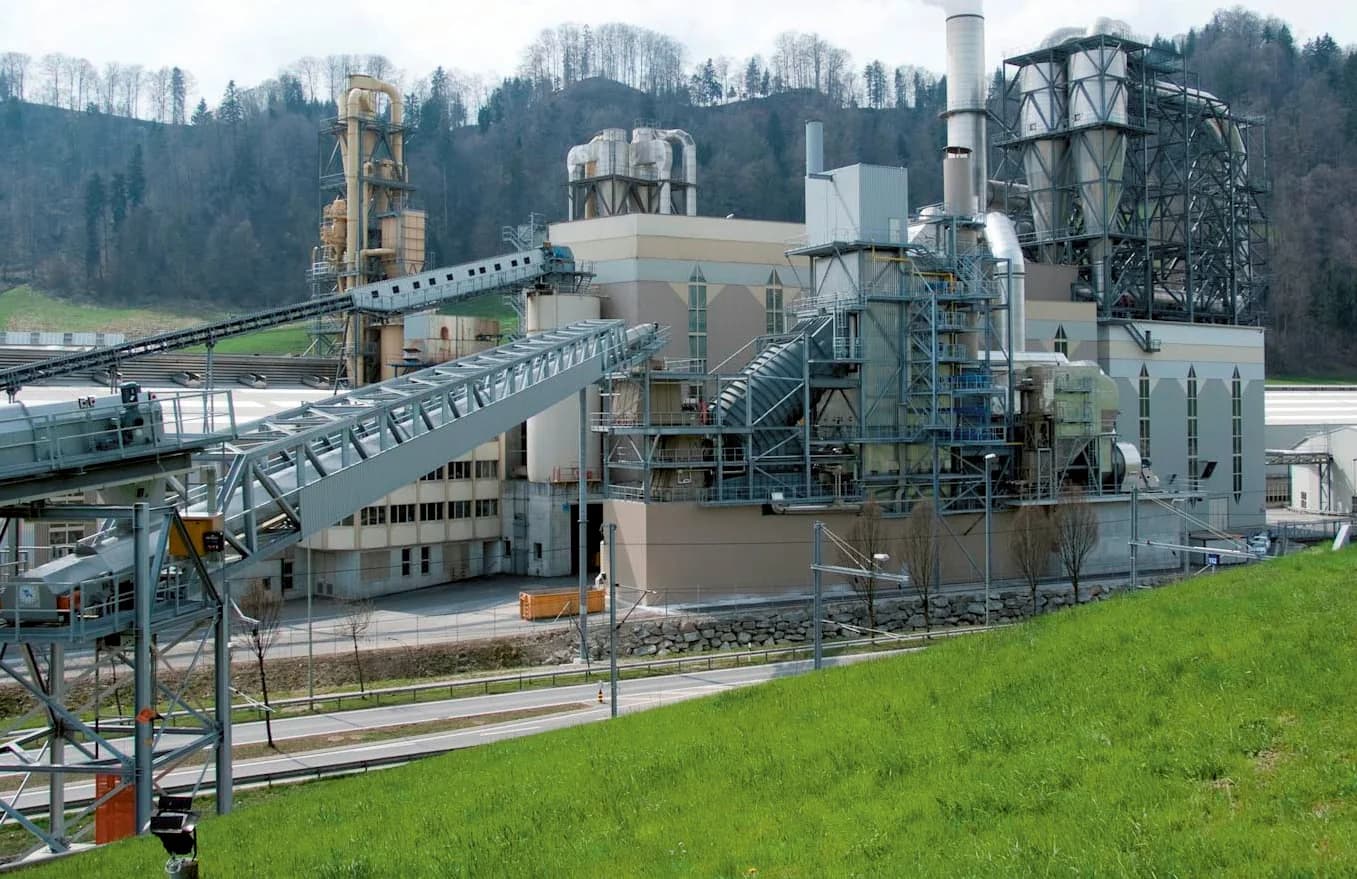
Fuel throughput 250,000 t/year Thermal input, reciprocating grate 40 MW Dust burner 25 MW - Fuel
- Production wood residues, dust and granulate
- Commissioning
- 2009
A Swiss wood-based panel manufacturer uses the wood residues from its MDF and particleboard production for its own energy supply – with a flexible firing system that already allows for future expansion.
To the project - 2011
Goch
Germany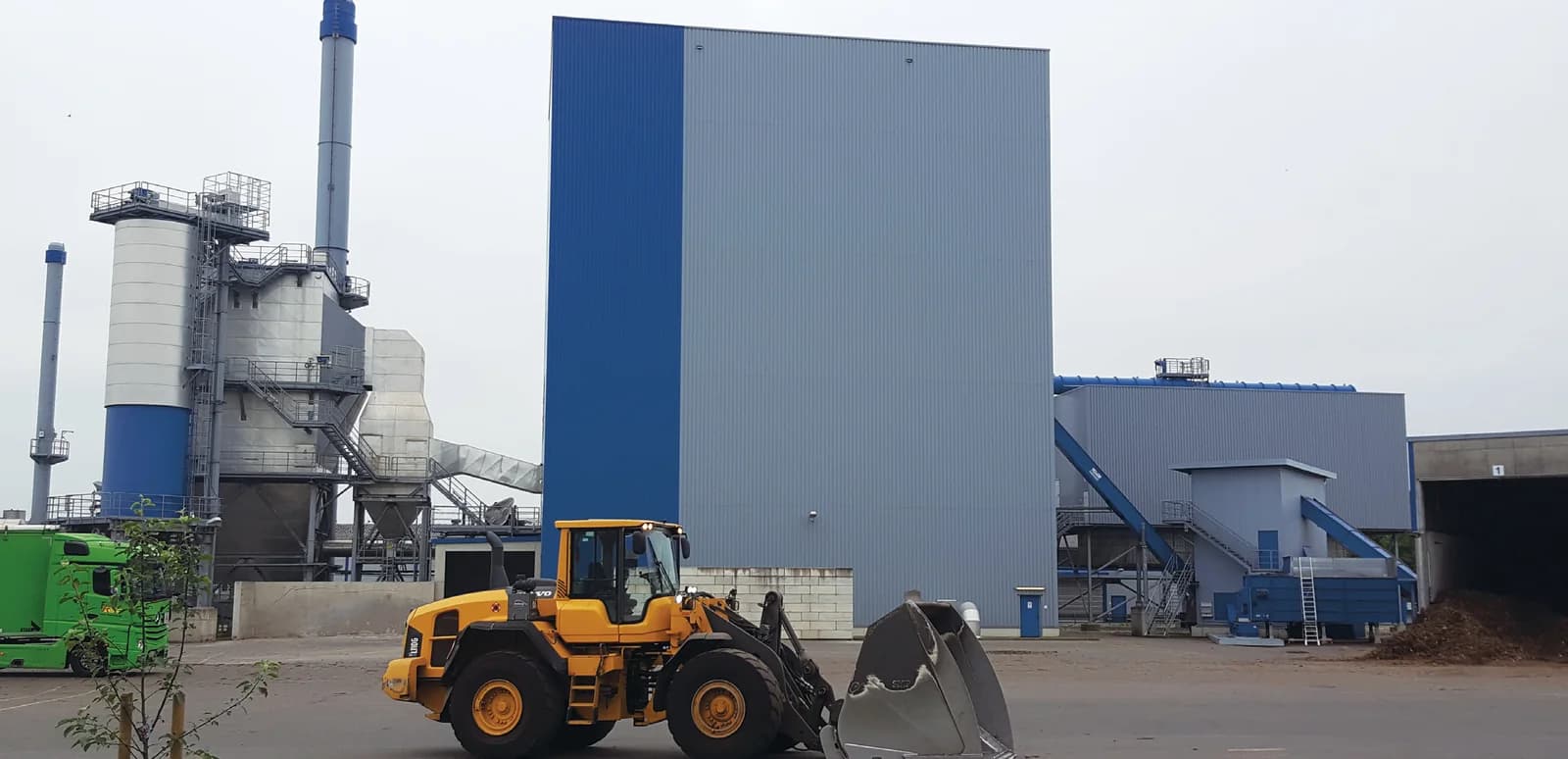
Thermal input, reciprocating grate 28 MW Steam output 30 t/h Electrical output 5–7.2 MW - Fuel
- Forest residues · Landscape maintenance material
- Commissioning
- 2012
For a major German energy supplier, a flexible biomass CHP plant generates electricity and process steam – mainly heat for the neighbouring potato processing plant during the week, more electricity at the weekend.
To the project - 2011
Wiesbaden
Germany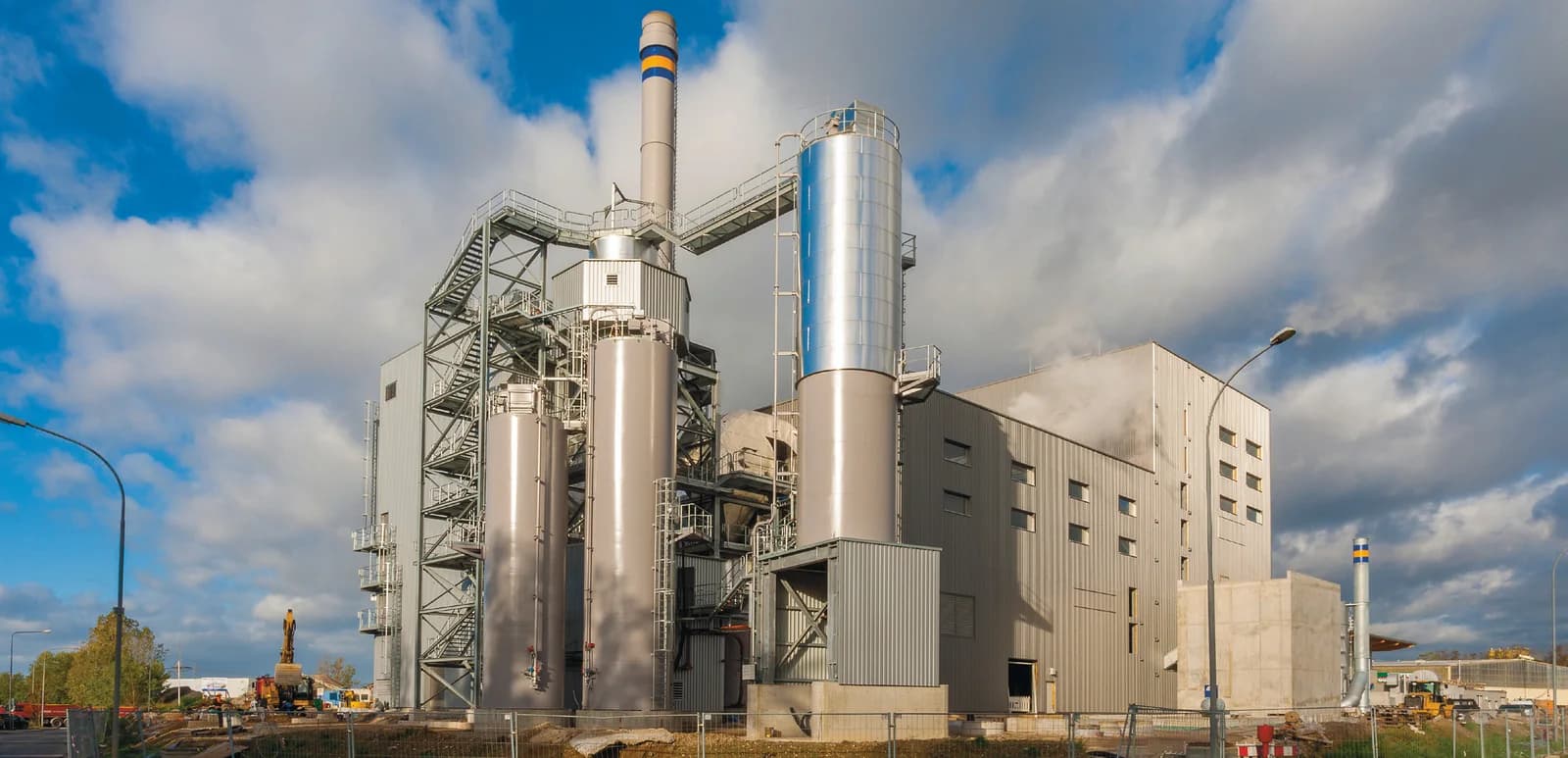
Thermal input, reciprocating grate 38.4 MW Steam output 49 t/h Electrical output 10 MW - Fuel
- Waste wood A I–A IV
- Commissioning
- 2013
In Wiesbaden, a German energy supplier generates electricity and district heating from waste wood – power-led in summer, heat-led in winter and with multi-stage flue gas cleaning.
To the project - 2014
Brașov
Romania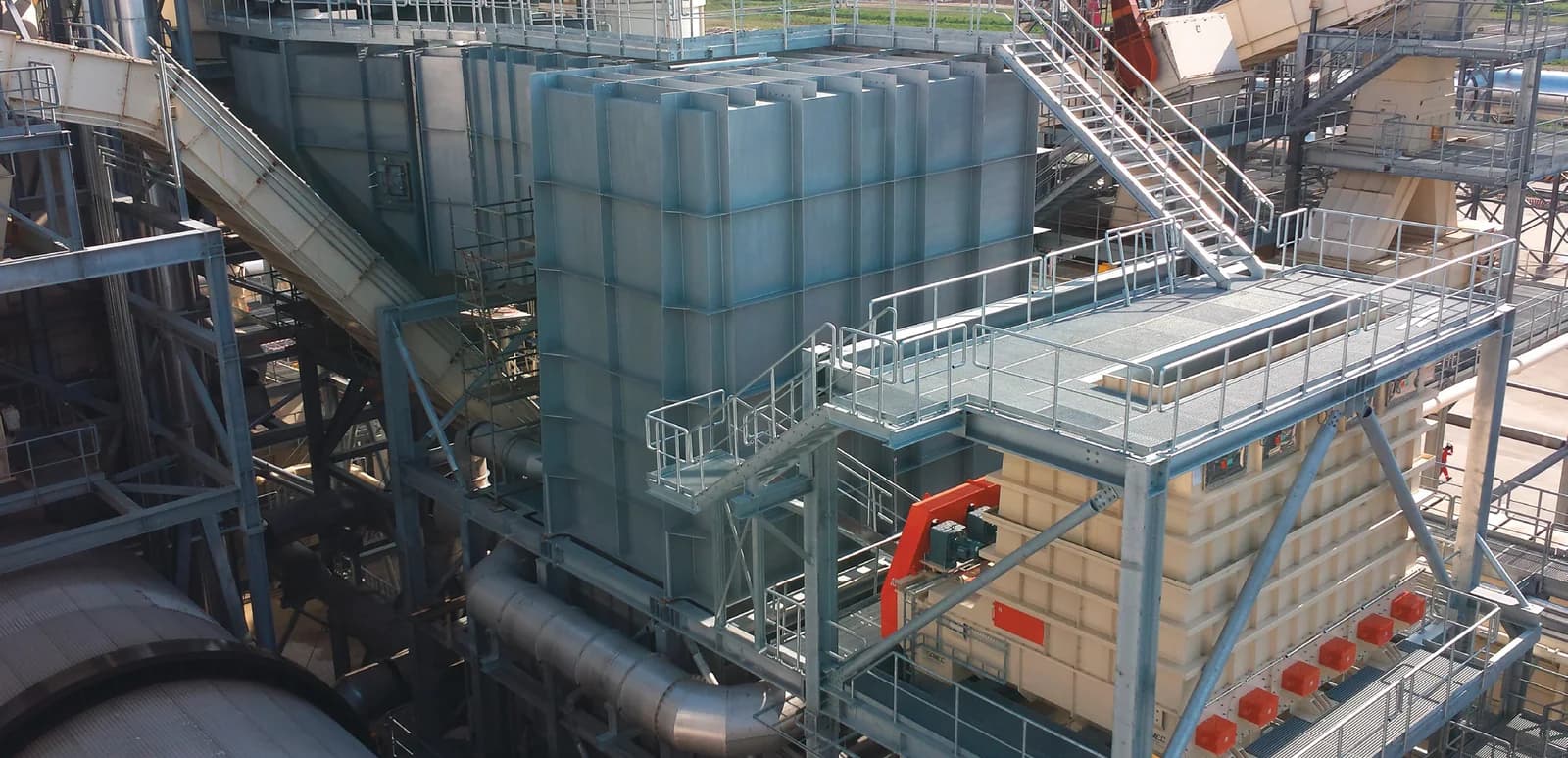
Thermal input 60 MW Hot gas output 60 MW Hot gas temperature 850 °C - Fuel
- Bark · Forest residues · Waste wood A IV
- Commissioning
- 2016
For a particleboard plant in Romania, Kablitz built a 60 MW hot gas generator that supplies the process heat for particle drying – safely integrated into the existing production.
To the project - 2016
Czarna Woda
Poland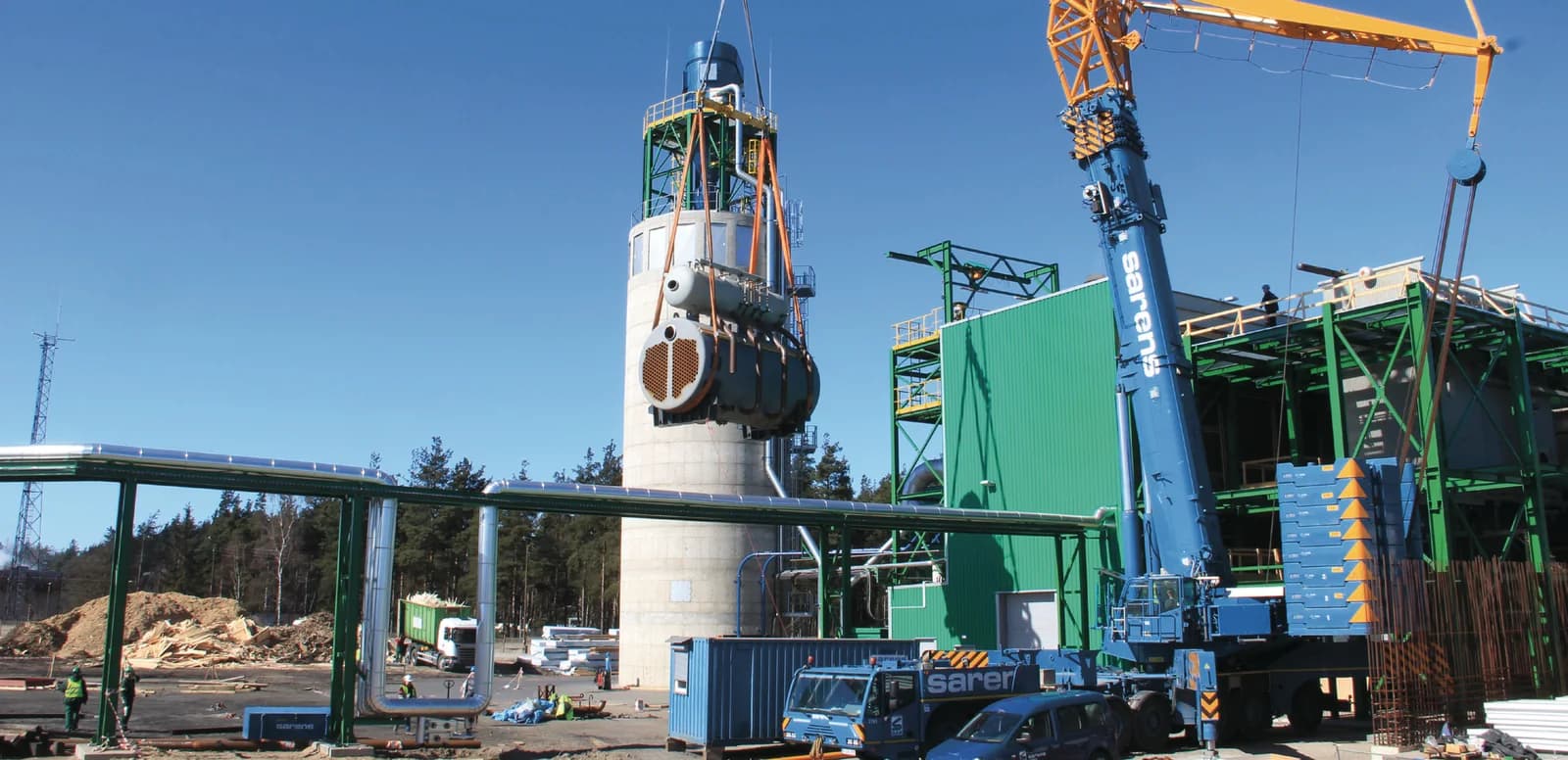
Steam output 30 t/h Thermal input 22.9 MW Fuel throughput approx. 75,000 t/year - Fuel
- Wood chips · Veneer wood · Bark
- Commissioning
- 2017
A German insulation manufacturer is switching its Polish site to renewable energy: a biomass heating plant generates process steam from wood chips, veneer wood and bark.
To the project - 2017
Volos
Greece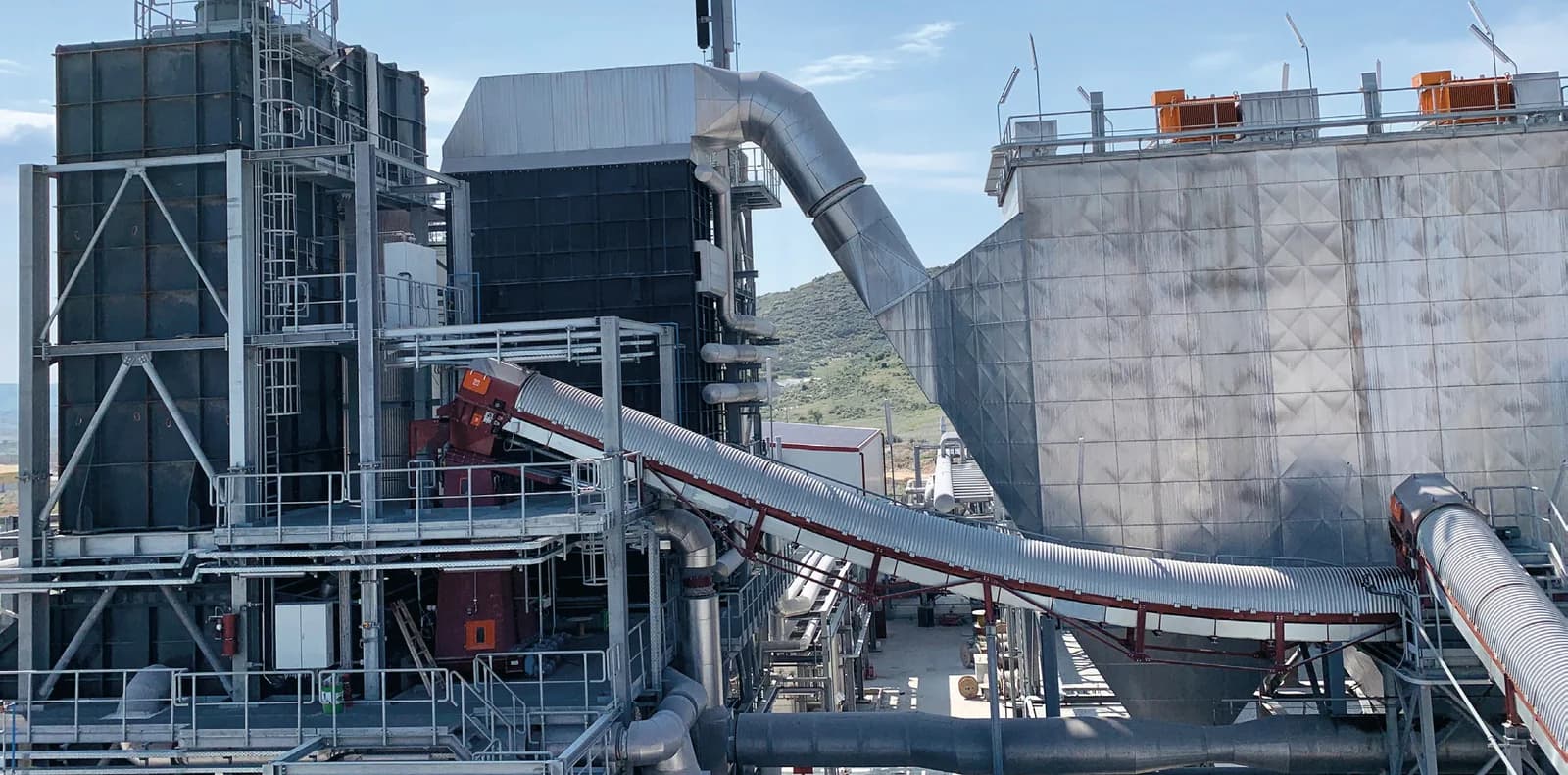
Fuel throughput approx. 40,000 t/year Thermal input, reciprocating grate 21 MW Thermal oil output 18.8 MW - Fuel
- Olive residues · Cotton waste · Sunflower husks
- Commissioning
- 2019
Near the port city of Volos, a plant for a chemical group generates heat and electricity from olive and cotton waste and sunflower husks – with 5 MW of electrical output from an ORC module.
To the project - 2017
Riga
Latvia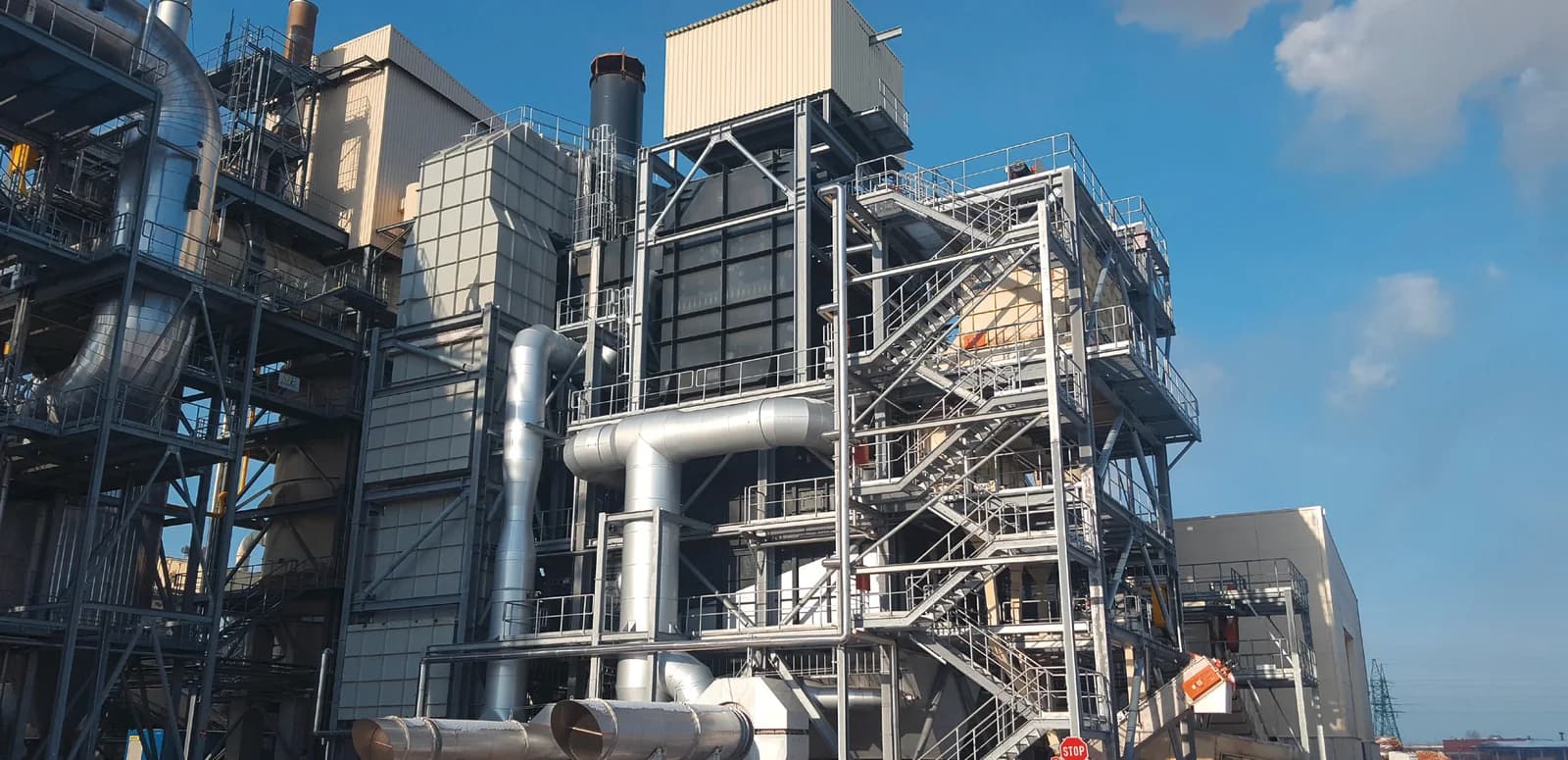
Thermal input 49 MW Hot gas output 49 MW Fuel throughput approx. 223,000 t/year - Fuel
- Bark · Forest residues · Production waste
- Commissioning
- 2018
As part of a plant expansion, the customer switched from fossil fuels to biomass: a residual wood firing system supplies hot gas directly for drying – integrated into the existing infrastructure.
To the project - 2017
Incheon
South Korea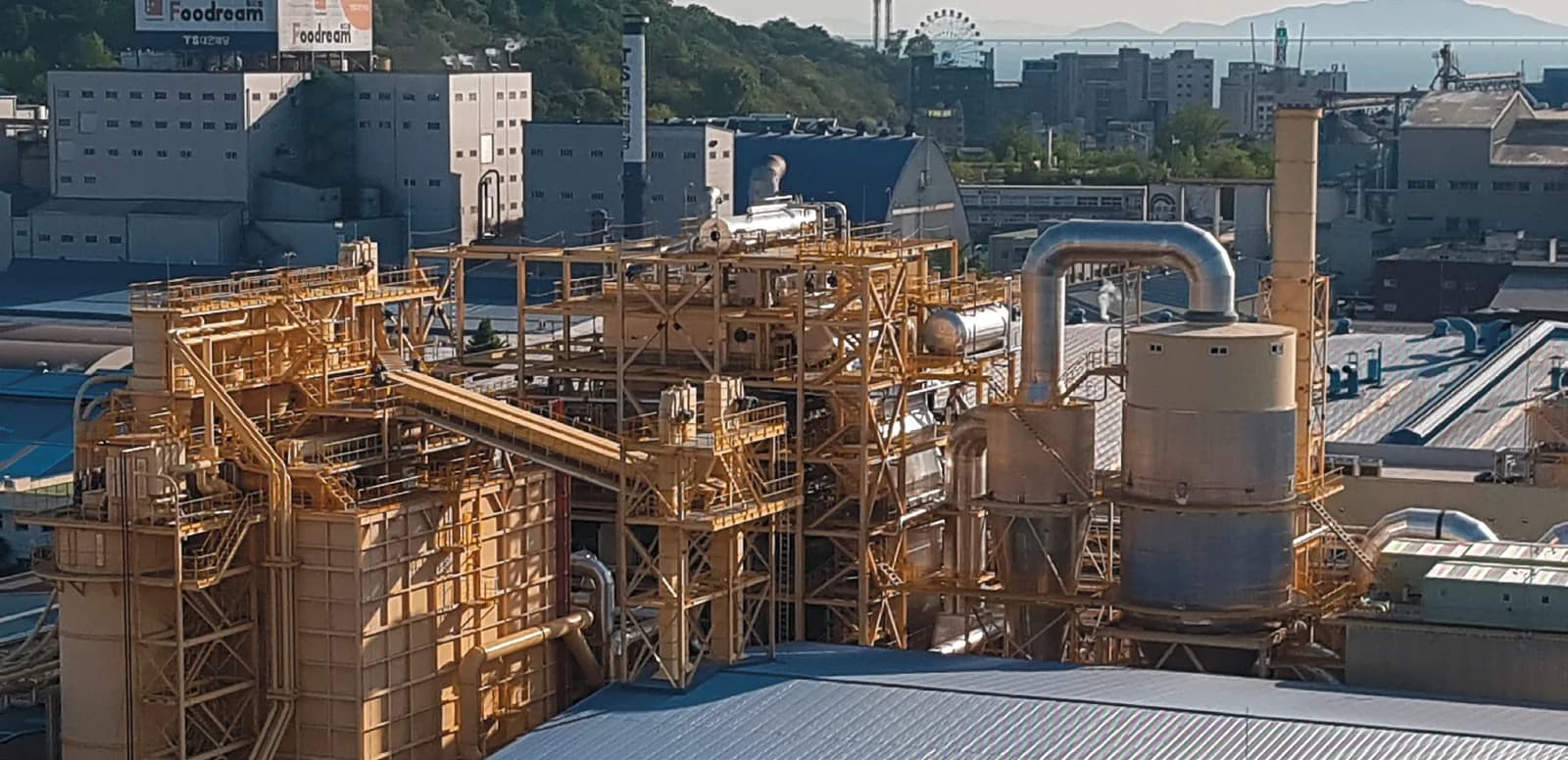
Fuel throughput approx. 140,000 t/year Steam output 64 t/h Electrical output 9.9 MW - Fuel
- Waste wood A I–A IV
- Commissioning
- 2019
For one of Korea's largest wood-based panel manufacturers, a single firing system produces steam, electricity and process heat for the entire site from MDF production residues.
To the project - 2018
Smorgon
Belarus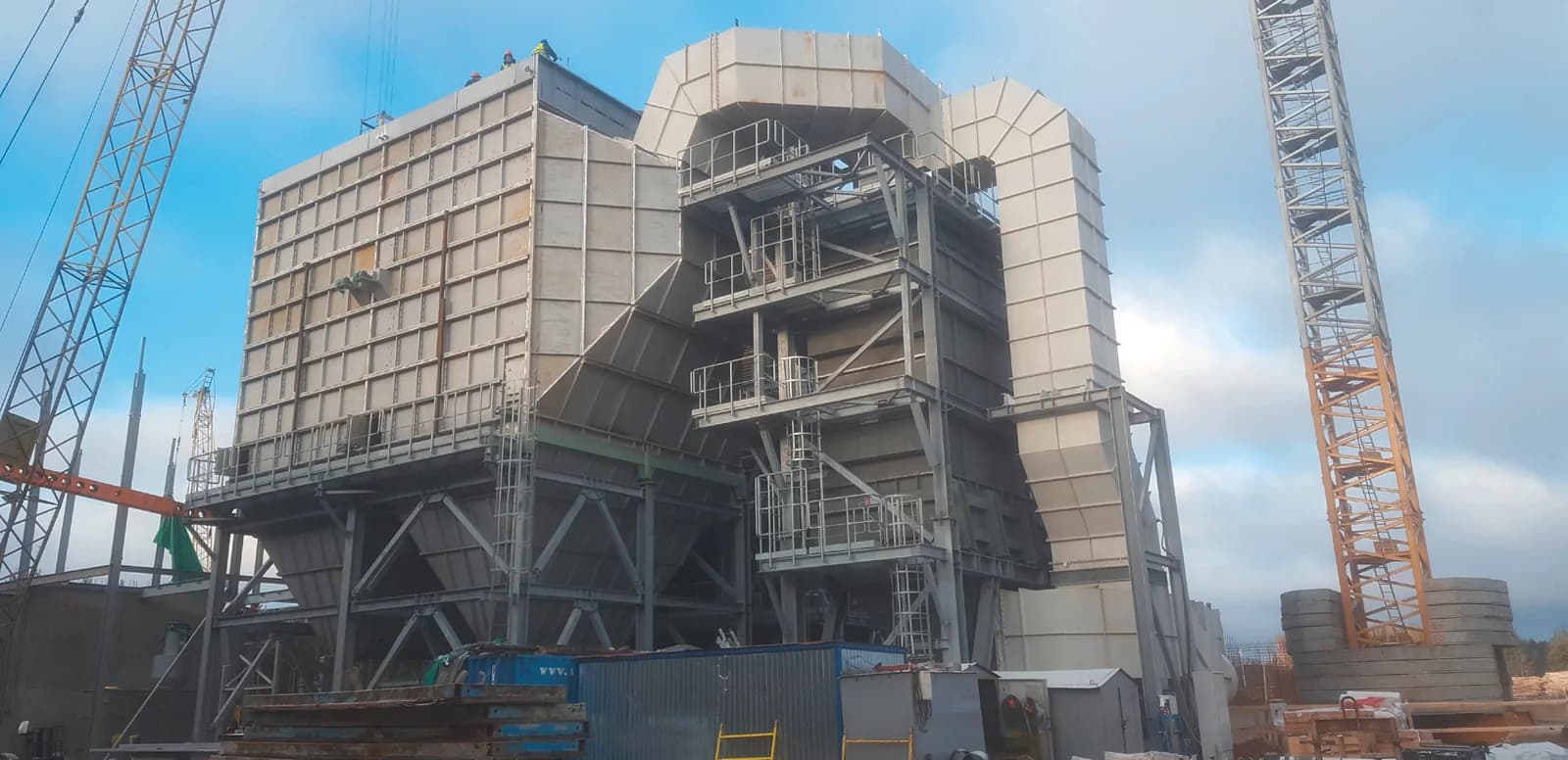
Fuel throughput approx. 195,000 t/year Thermal input, reciprocating grate 42 MW Thermal oil output 38 MW - Fuel
- Bark · Wood chips · Production waste
- Commissioning
- 2019
For a panel production plant in Smorgon, a biomass energy centre supplies production with heat around the clock – from bark, wood chips and production residues.
To the project - 2020
Pemuco
Chile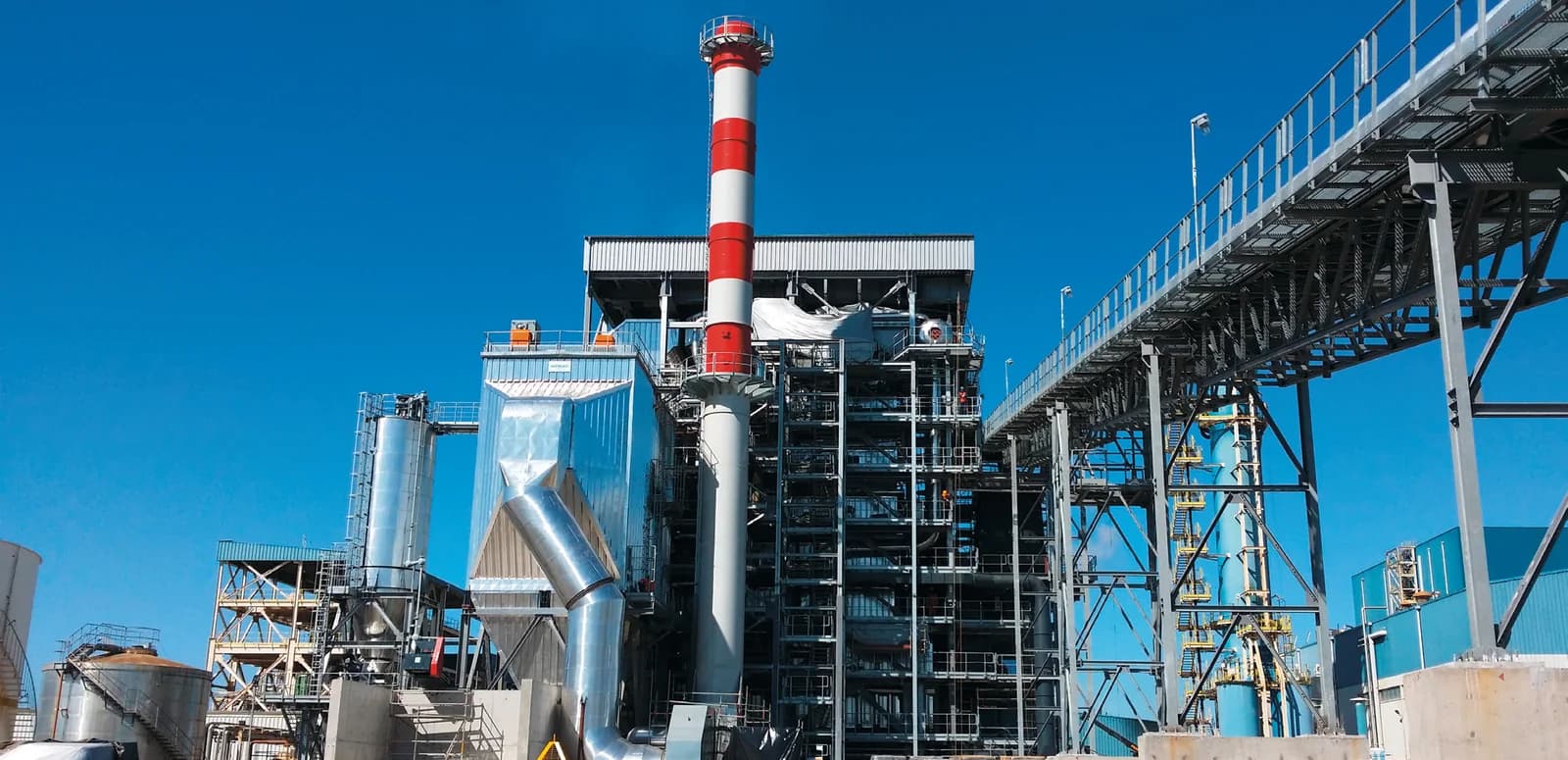
Thermal input 62 MW Maximum steam output 66 t/h Fuel throughput 306,600 t/year - Fuel
- Shredded wood · Hard coal · Biogas
- Commissioning
- 2020
For a major German sugar producer, a biomass CHP plant for self-supply was built in Chile – with process steam, electricity for island operation and an earthquake-proof suspended boiler design.
To the project - 2022
Freiburg
GermanyCurrent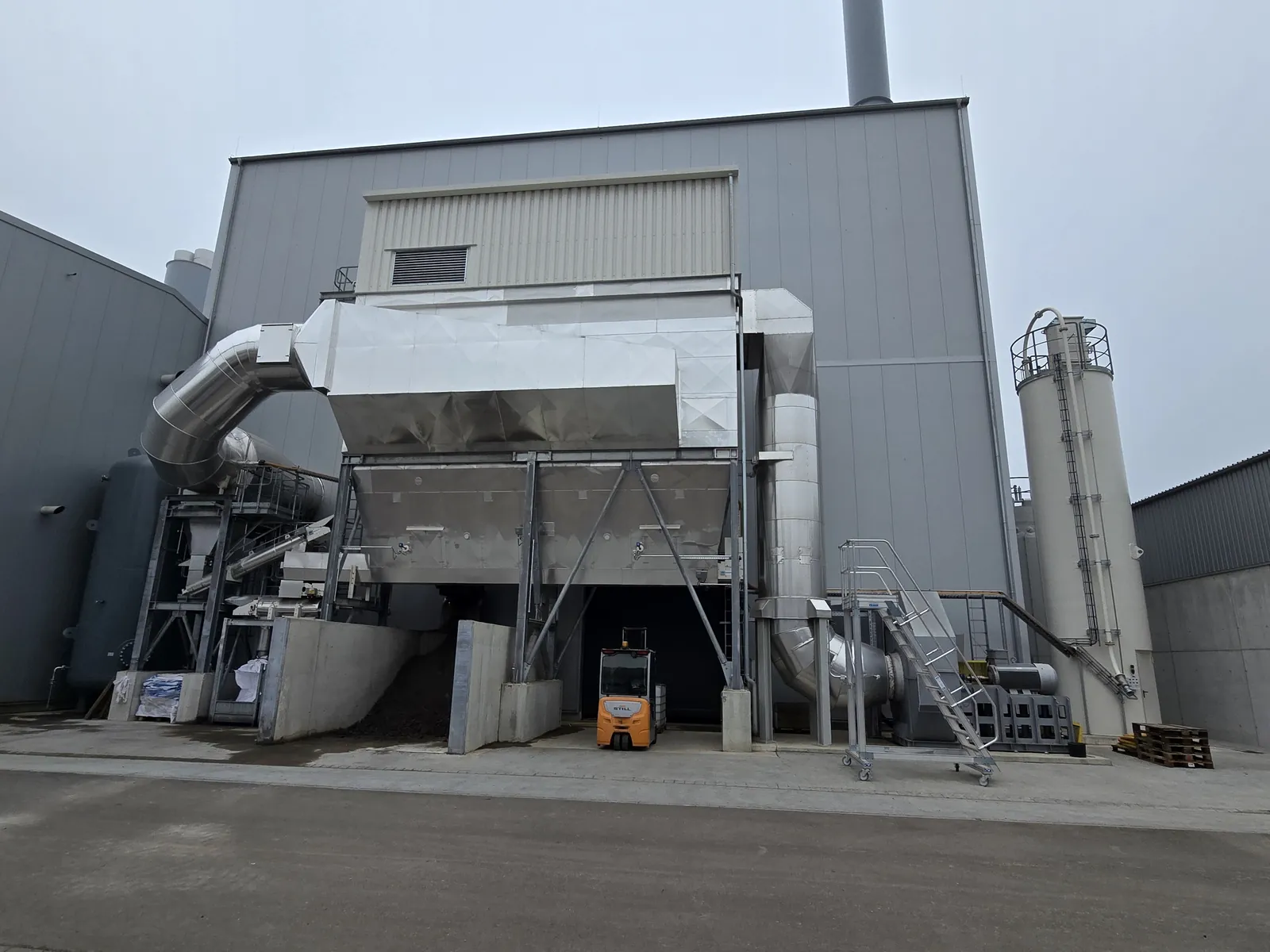
Fuel Forest residues, untreated material + waste wood A I / A II Calorific values 8.0 ... 16.0 MJ/kg Thermal input 19.54 MW - Fuel
- Forest residues · Waste wood A I / A II
Richard Kablitz GmbH planned and supplied a biomass steam boiler plant (BMK) for the company. The plant supplies steam for the company.
To the project - 2023
Elsteraue
GermanyCurrent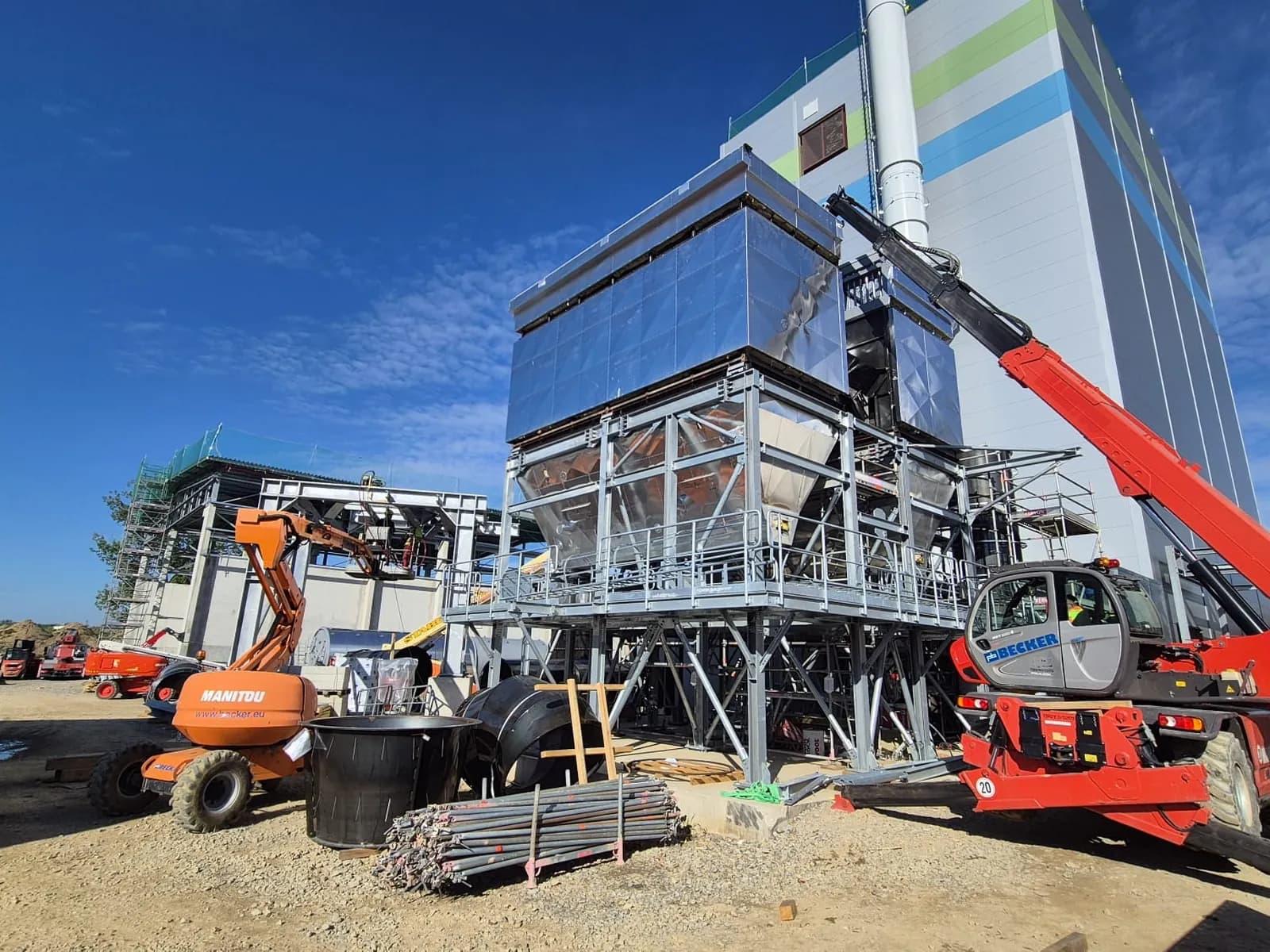
Thermal input 26.8 MW Steam output 30 t/h Steam temperature 450 °C - Fuel
- Fresh wood · Waste wood A I / A II
The biomass steam boiler plant (BMK) planned and supplied by Richard Kablitz GmbH is an essential part of the energy and media supply plant (EMVA).
To the project - 2023
Nysa
PolandCurrent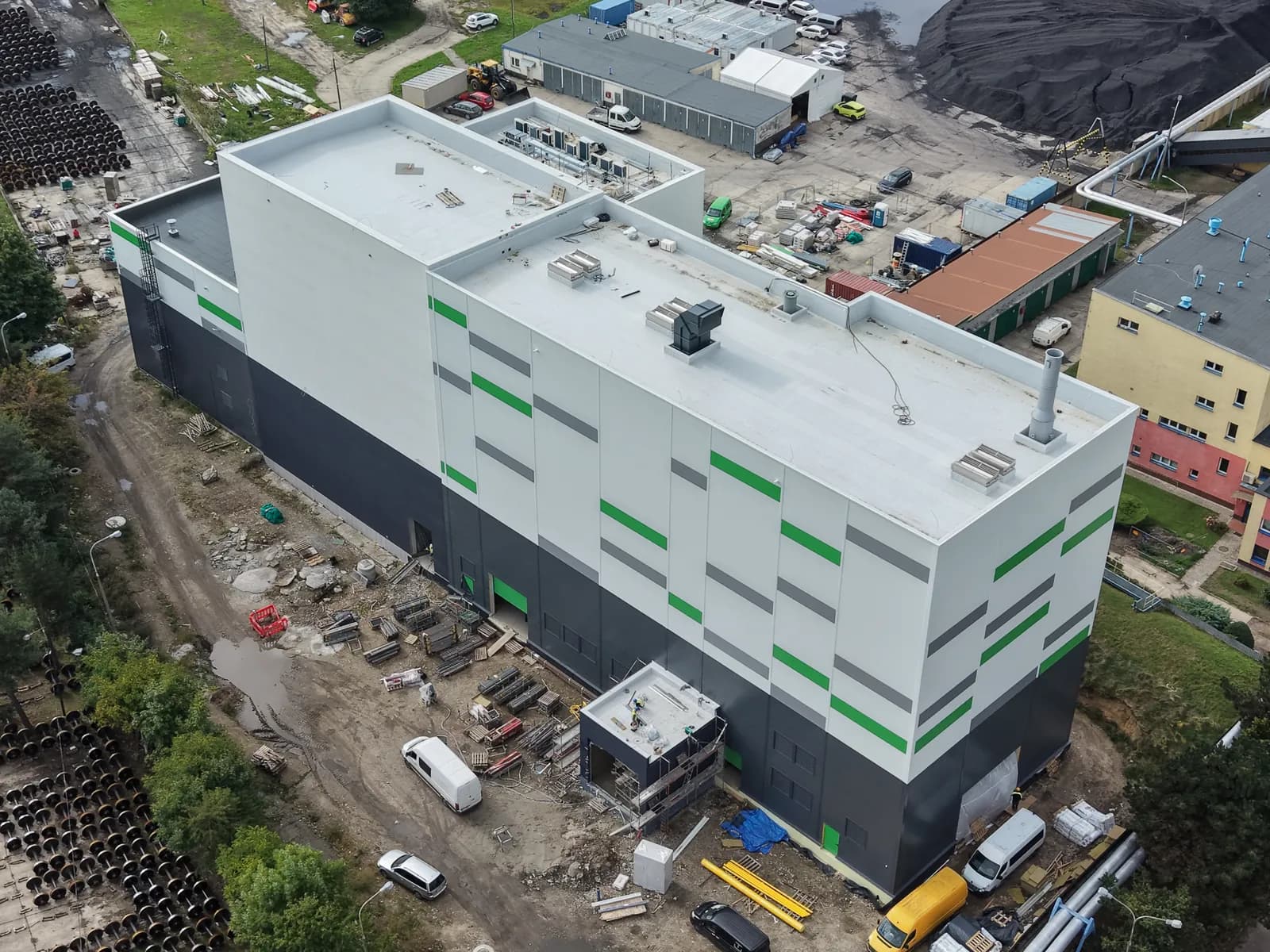
Plant type Waste incineration plant for district heating and electricity Fuel RDF (refuse-derived fuel) Calorific value range 3.6–4.7 kWh/kg - Fuel
- RDF
A combined heat and power plant is being built for the town of Nysa in Poland. It is a CHP plant (combined heat and power) that simultaneously generates electricity for feeding into the power grid and district heating for the households and buildings in the town of Nysa.
To the project - 2024
Złotów
Poland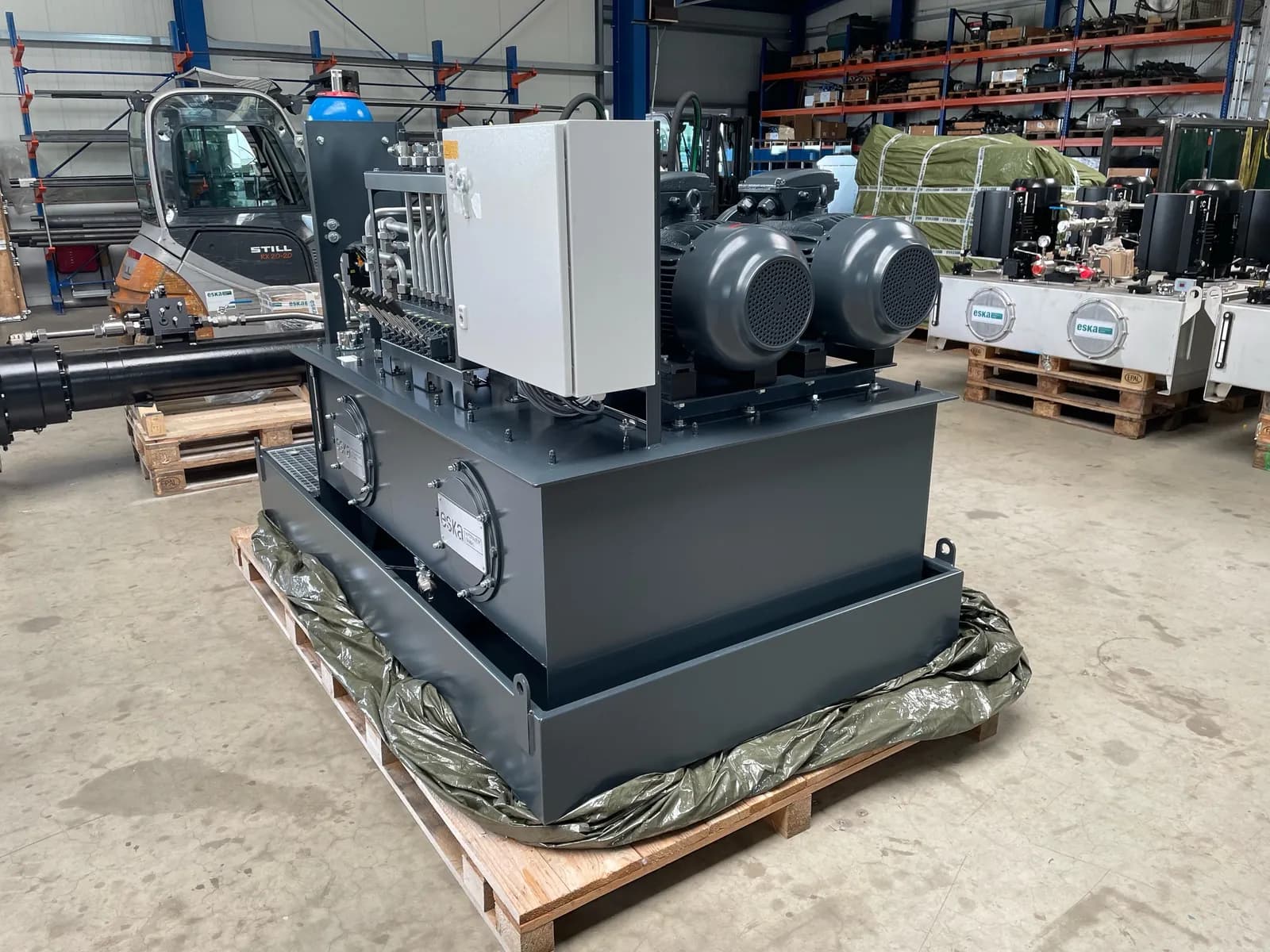
Plant type 2 biomass hot water boilers Total heat output 10 MW (2 × 5 MW) Project start September 2023 - Fuel
- Biomass
- Commissioning
- 2025
The firing systems for two hot water boilers with an output of 5 MW each were supplied for a biomass heating plant in Poland.
To the project - 2025
Ventspils
LatviaCurrent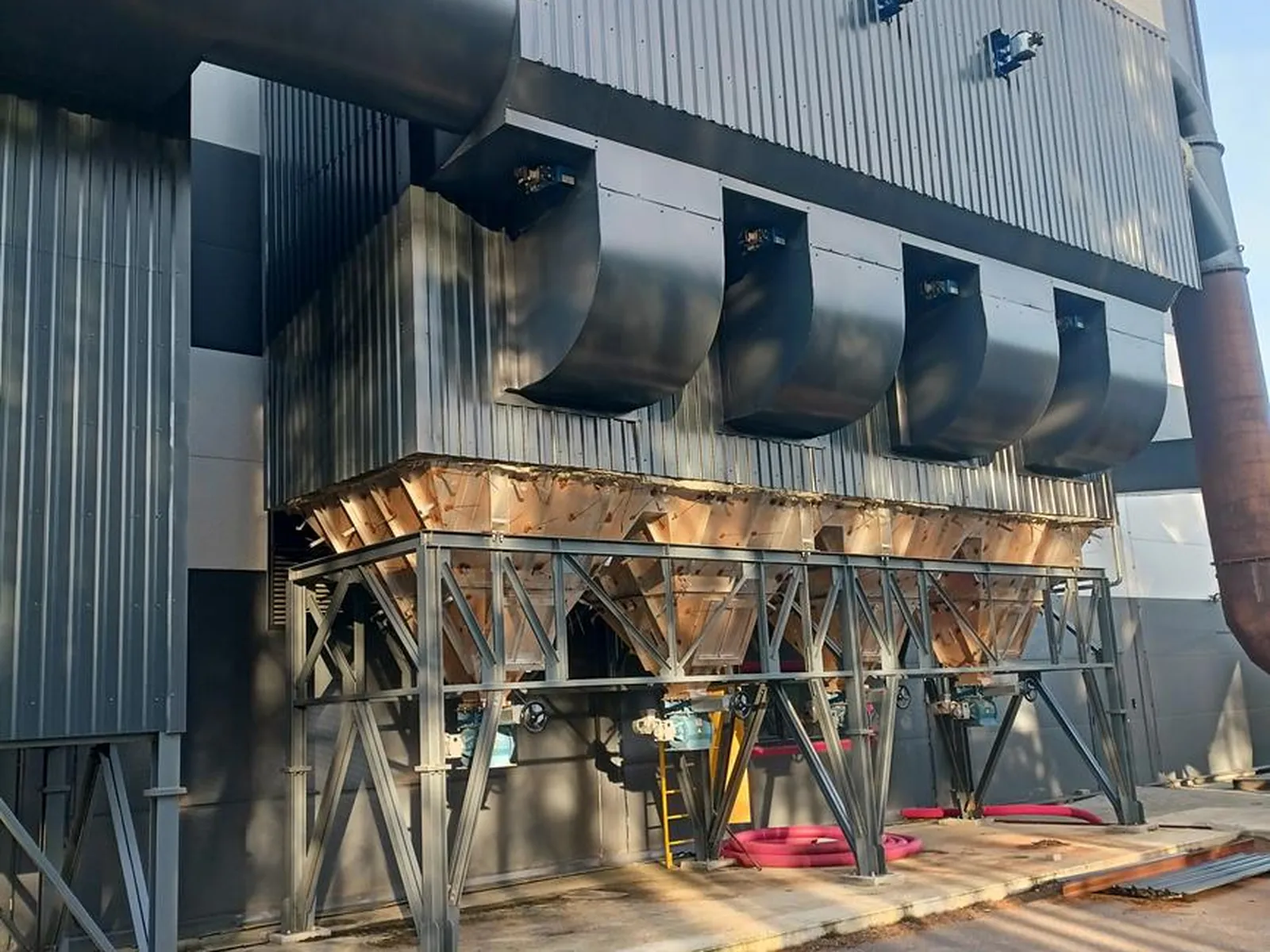
Thermal input 8.5 MW Steam output 10.3 t/h Steam temperature 400 °C - Fuel
- RDF
A municipal waste management and utility company from Ventspils (Latvia) has taken on the challenge of building a modern, highly efficient combined heat and power plant for the energy recovery of the region's waste streams.
To the project - 2026
Aspropyrgos
Greece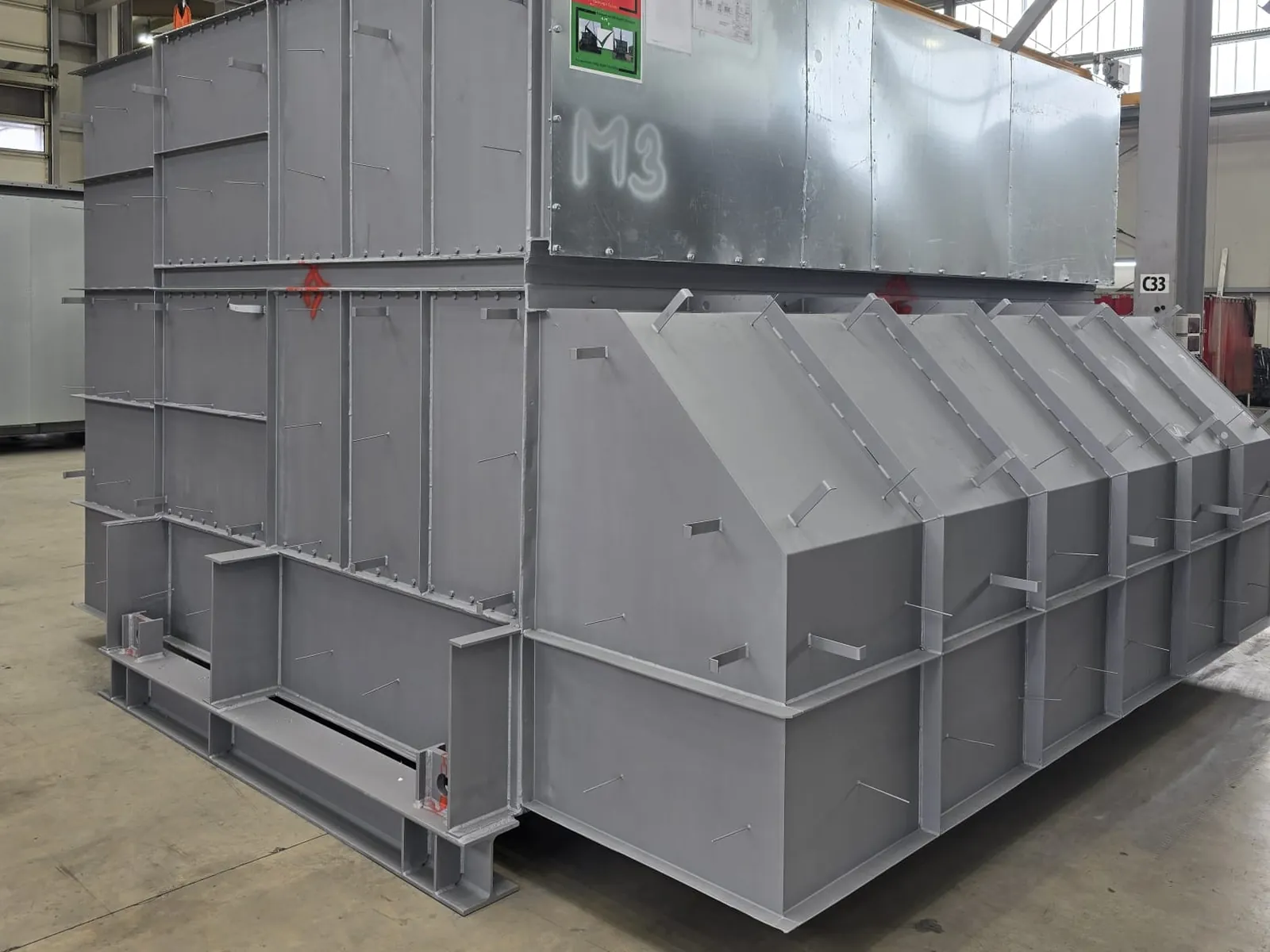
Heating surface 5,207 m² Max. gas inlet temperature 420 °C Max. air outlet temperature 360 °C For the U-3100 refinery unit of a Greek operator, Kablitz supplied a precisely fitting replacement air preheater with finned plates – eight years after its first delivery for the same unit.
To the project - Today · Lauda-Königshofen
Experience that gives confidence. Ideas that take you further.
Since 1901 we have been developing solutions for more efficient energy use – with experience, technical know-how and a clear view of the future.
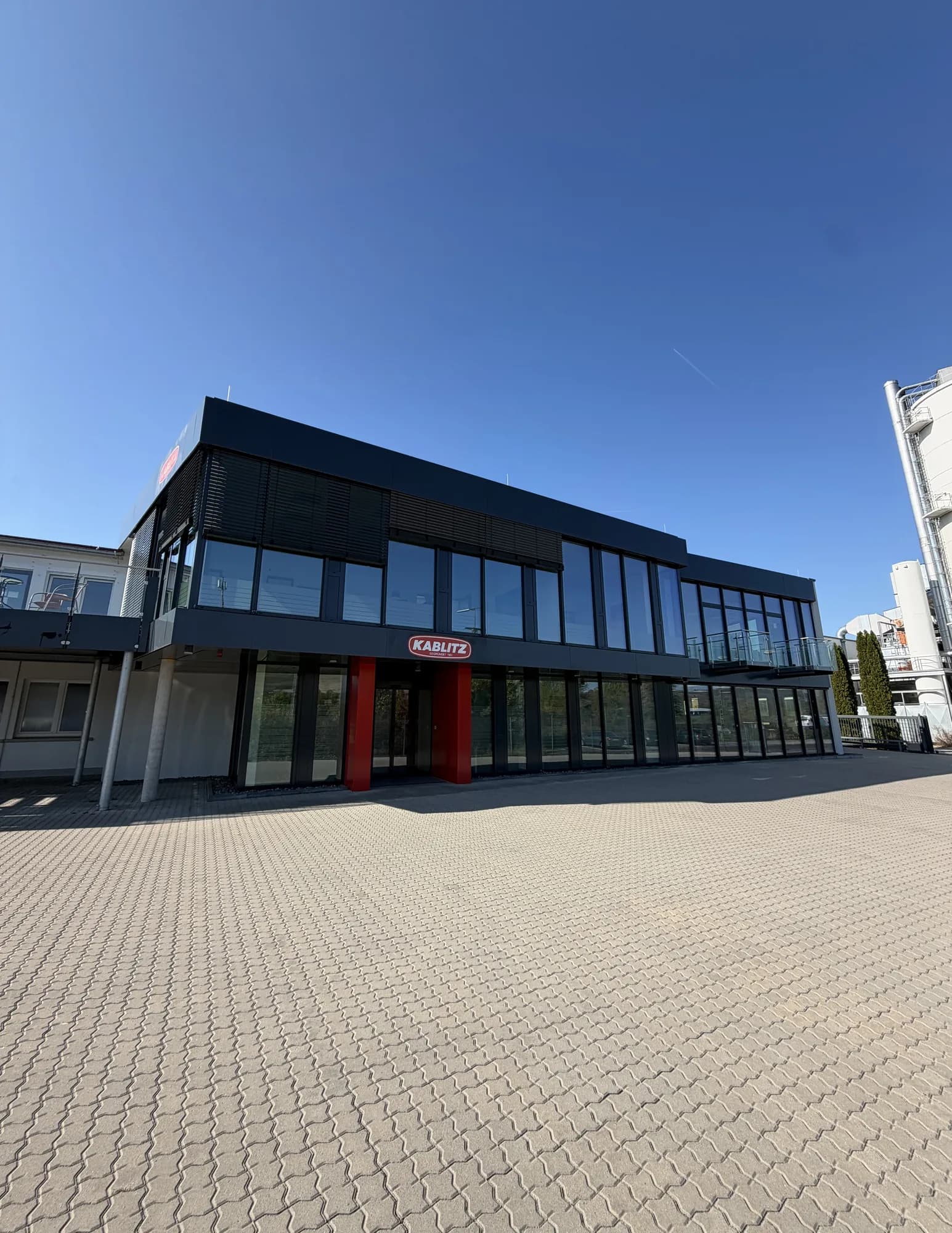
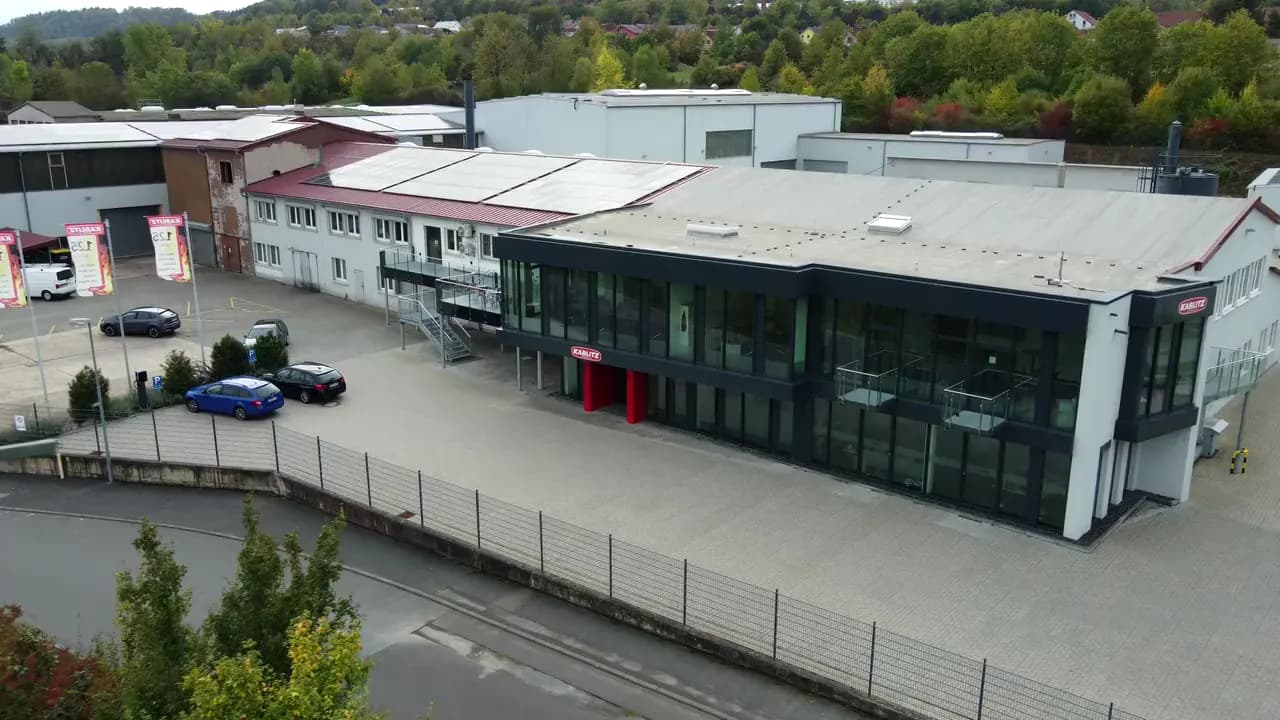
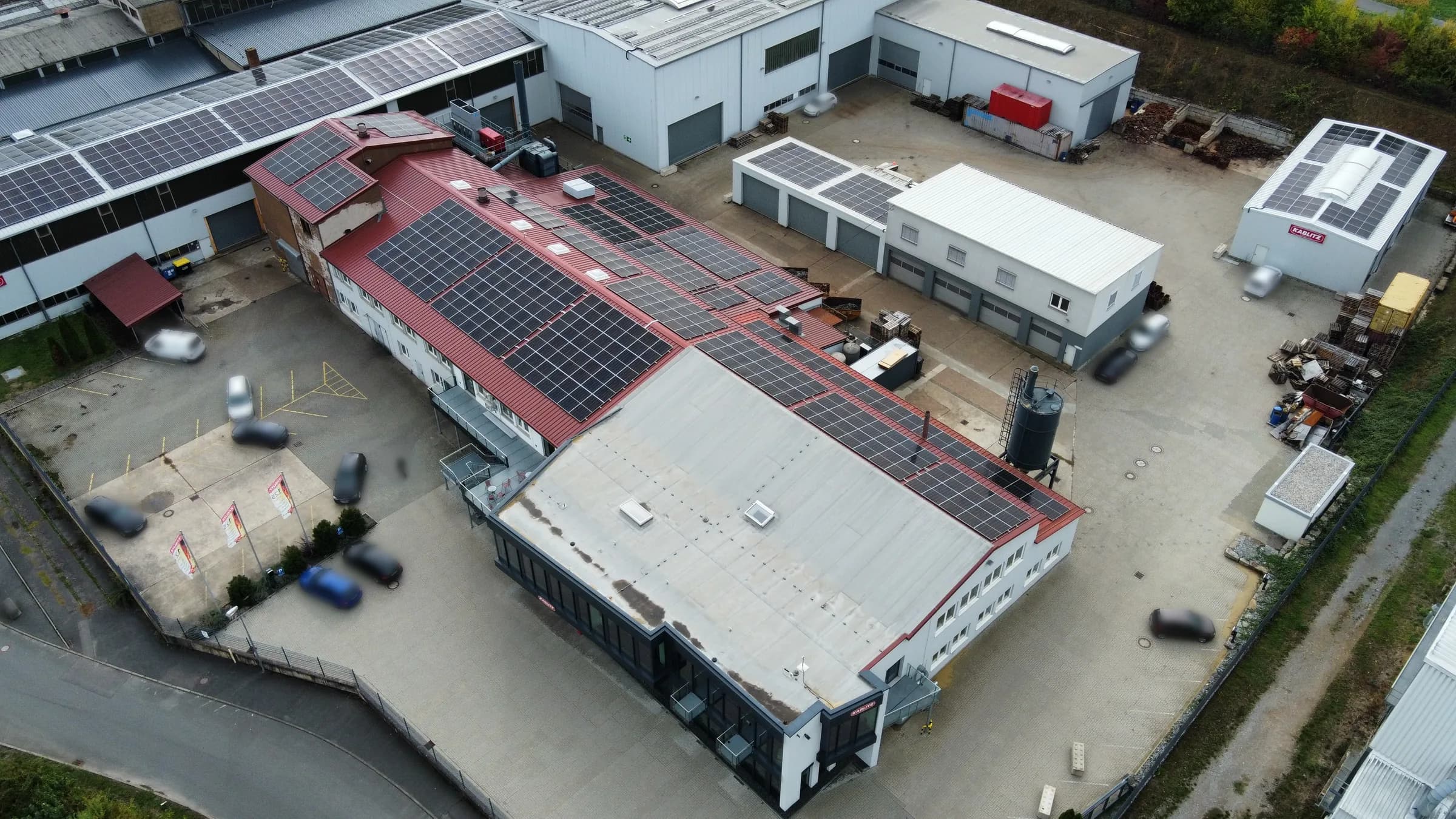
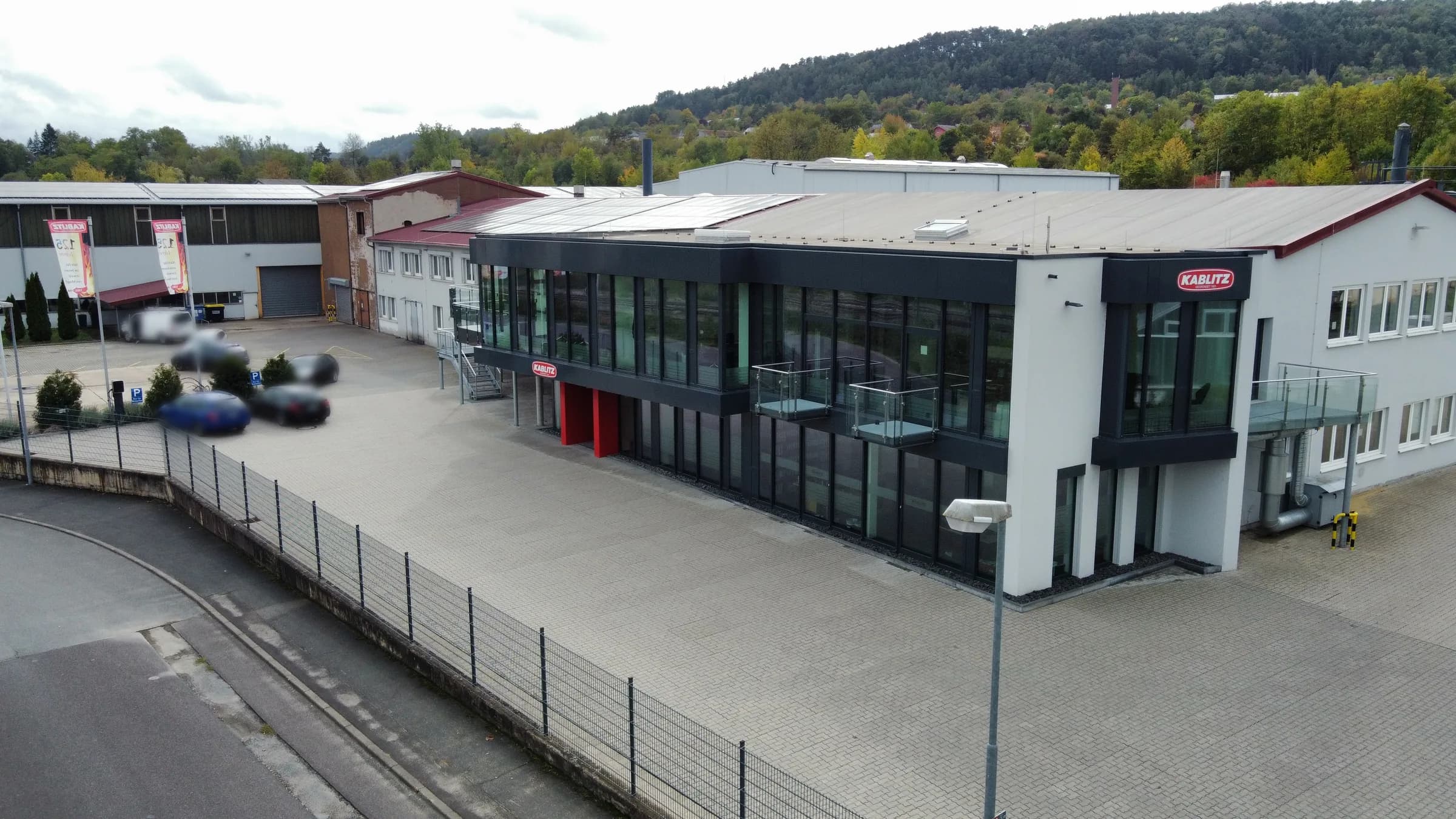
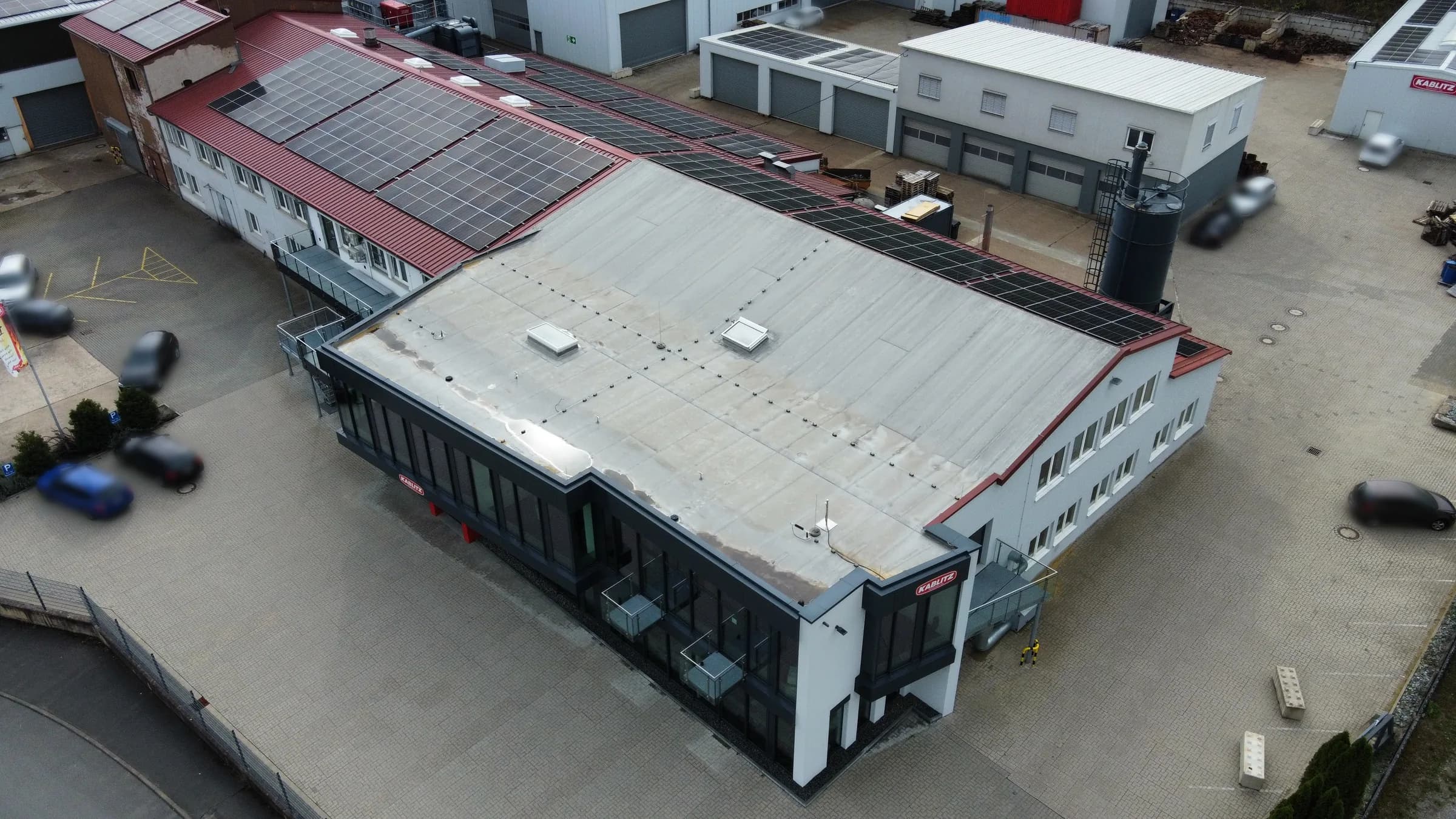
Our site in Lauda-Königshofen
Earth textures: Solar System Scope (CC BY 4.0)
Read the company history and project data
1868 · Riga, Latvia
An inventor from Riga.
Richard Kablitz is born in Riga on 20 May 1868. After studying at the Riga Polytechnic Institute, he works as a mechanical engineer and develops the finning of cast-iron tubes.
1901 · Riga, Latvia
The founding.
The company is founded in Riga. This is where the history of Kablitz truly begins.
1915–1918 · Russia
Evacuation in the First World War.
The factory is moved to Cherepet, the engineering office to Petrograd (today St Petersburg).
1919–1939 · Riga, Latvia
Back in Riga.
Return to Riga and further development of the company. Kablitz advances its heat engineering and exports its products internationally.
1939–1941 · Wartheland
Relocation of the company.
Owing to the political changes in the Baltic states, the company is moved to Germany and settled in the Wartheland.
1945 · Marbach near Lauda, Germany
A new start in the West.
Richard Kablitz and his family arrive in Marbach near Lauda in the summer of 1945.
1949–1951 · Lauda, Germany
A new company site.
The new company site is built up. In 1951 the new premises in Lauda are founded with their own metalworking shop and foundry.
From 1951 · Lauda, Germany
International growth.
Kablitz grows and supplies its heat engineering worldwide, including for 24 large tankers of the Onassis shipping company.
1990 · Lauda, Germany
A focus on plant engineering.
The company begins to design and supply complete plants.
2008 · Menznau, Switzerland
Project Menznau.
A Swiss wood-based panel manufacturer uses the wood residues from its MDF and particleboard production for its own energy supply – with a flexible firing system that already allows for future expansion.
- Fuel throughput
- 250,000 t/year
- Thermal input, reciprocating grate
- 40 MW
- Dust burner
- 25 MW
- Granulate nozzles
- 2 × 6 MW
- Thermal oil output
- 25 MW
- Flow temperature
- 285 °C
- Return temperature
- 255 °C
- Calorific value range
- 1.7–5.1 kWh/kg
2011 · Goch, Germany
Project Goch.
For a major German energy supplier, a flexible biomass CHP plant generates electricity and process steam – mainly heat for the neighbouring potato processing plant during the week, more electricity at the weekend.
- Thermal input, reciprocating grate
- 28 MW
- Steam output
- 30 t/h
- Electrical output
- 5–7.2 MW
- Process heat output
- max. 27 t/h
- Steam temperature
- 480 °C
- Steam pressure
- 65 bar (a)
- Feed water temperature
- 107 °C
- Fuel throughput
- approx. 100,000 t/year
- Calorific value range
- 1.5–3.2 kWh/kg
2011 · Wiesbaden, Germany
Project Wiesbaden.
In Wiesbaden, a German energy supplier generates electricity and district heating from waste wood – power-led in summer, heat-led in winter and with multi-stage flue gas cleaning.
- Thermal input, reciprocating grate
- 38.4 MW
- Steam output
- 49 t/h
- Electrical output
- 10 MW
- Process heat output
- 24 MW
- Steam temperature
- 425 °C
- Steam pressure
- 42 bar (a)
- Feed water temperature
- 120 °C
- Fuel throughput
- approx. 100,000 t/year
- Calorific value range
- 2.7–3.8 kWh/kg
2014 · Brașov, Romania
Project Brașov.
For a particleboard plant in Romania, Kablitz built a 60 MW hot gas generator that supplies the process heat for particle drying – safely integrated into the existing production.
- Thermal input
- 60 MW
- Hot gas output
- 60 MW
- Hot gas temperature
- 850 °C
- Fuel throughput
- approx. 250,000 t/year
- Calorific value range
- 1.80–2.90 kWh/kg
2016 · Czarna Woda, Poland
Project Czarna Woda.
A German insulation manufacturer is switching its Polish site to renewable energy: a biomass heating plant generates process steam from wood chips, veneer wood and bark.
- Steam output
- 30 t/h
- Thermal input
- 22.9 MW
- Fuel throughput
- approx. 75,000 t/year
- Steam temperature
- 260 °C
- Steam pressure
- 27 bar (a)
- Feed water temperature
- 105 °C
- Dust/granulate nozzles
- 7.2 MW
- Calorific value range
- 1.9–3.9 kWh/kg
2017 · Volos, Greece
Project Volos.
Near the port city of Volos, a plant for a chemical group generates heat and electricity from olive and cotton waste and sunflower husks – with 5 MW of electrical output from an ORC module.
- Fuel throughput
- approx. 40,000 t/year
- Thermal input, reciprocating grate
- 21 MW
- Thermal oil output
- 18.8 MW
- Electrical output of the ORC module
- 5 MW
- Granulate nozzles
- 10 MW
- Thermal oil flow temperature
- 315 °C
- Flue gas temperature
- 250 °C
- Calorific value range
- 3.19–4.86 kWh/kg
- Fuel types
- 3
2017 · Riga, Latvia
Heat engineering in Riga.
As part of a plant expansion, the customer switched from fossil fuels to biomass: a residual wood firing system supplies hot gas directly for drying – integrated into the existing infrastructure.
- Thermal input
- 49 MW
- Hot gas output
- 49 MW
- Fuel throughput
- approx. 223,000 t/year
- Hot gas temperature
- 825 °C
- Calorific value range
- 1.8–2.9 kWh/kg
2017 · Incheon, South Korea
Project Incheon.
For one of Korea's largest wood-based panel manufacturers, a single firing system produces steam, electricity and process heat for the entire site from MDF production residues.
- Fuel throughput
- approx. 140,000 t/year
- Steam output
- 64 t/h
- Electrical output
- 9.9 MW
- Process heat output
- 24 MW
- Thermal oil output
- 7.2 MW
- Thermal input (water-cooled reciprocating grate 715)
- 38.4 MW
- Dust/granulate nozzles
- 16 MW
- Steam temperature
- 425 °C
- Steam pressure
- 64 bar (a)
- Feed water temperature
- 143 °C
- Thermal oil flow / return
- 290 / 245 °C
- Calorific value range
- 2.9–5.2 kWh/kg
- Heat line to the production lines
- approx. 300 m
2018 · Smorgon, Belarus
Project Smorgon.
For a panel production plant in Smorgon, a biomass energy centre supplies production with heat around the clock – from bark, wood chips and production residues.
- Fuel throughput
- approx. 195,000 t/year
- Thermal input, reciprocating grate
- 42 MW
- Thermal oil output
- 38 MW
- Hot water economiser
- 8.5 MW
- Thermal oil flow temperature
- 280 °C
- Dust/granulate nozzles
- 16 MW (2 × 8 MW)
- Installed thermal input
- 58 MW
- Hot gas / flue gas temperature
- 190 °C
- Calorific value range
- 1.80–2.92 kWh/kg
2020 · Pemuco, Chile
Project Pemuco.
For a major German sugar producer, a biomass CHP plant for self-supply was built in Chile – with process steam, electricity for island operation and an earthquake-proof suspended boiler design.
- Thermal input
- 62 MW
- Maximum steam output
- 66 t/h
- Fuel throughput
- 306,600 t/year
- Steam temperature
- 485 °C
- Steam pressure (absolute)
- 76 bar
- Feed water temperature
- 120–130 °C
- Calorific value range
- 1.6–3.1 kWh/kg
- Hard coal share
- up to 20 %
- Additional heat output from biogas
- 4.5 MW
2022 · Freiburg, Germany
Current project Freiburg.
Richard Kablitz GmbH planned and supplied a biomass steam boiler plant (BMK) for the company. The plant supplies steam for the company.
- Fuel
- Forest residues, untreated material + waste wood A I / A II
- Calorific values
- 8.0 ... 16.0 MJ/kg
- Thermal input
- 19.54 MW
- Fuel throughput
- up to 60,000 t/year
- Steam output
- 25 t/h
- Steam temperature
- 250 °C
- Steam pressure
- 14 bar (a)
- Feed water temperature
- 105 °C
- Firing system
- Single-track reciprocating grate, Kablitz type 415
- Fuel conveying
- Walking floor, drag chain conveyor, feeding
- Flue gas cleaning
- Fabric filter with additive injection, requirements according to 44th BImSchV; induced draught fan and stack (H=30m)
- Erection
- November 2023 - March 2025
- Boiler pressure test
- 2 May 2024
2023 · Elsteraue, Germany
Current project Elsteraue.
The biomass steam boiler plant (BMK) planned and supplied by Richard Kablitz GmbH is an essential part of the energy and media supply plant (EMVA).
- Thermal input
- 26.8 MW
- Steam output
- 30 t/h
- Steam temperature
- 450 °C
- Steam pressure
- 48 bar (gauge)
- Fuel throughput
- up to 130,000 t/year
- Flue gas cleaning
- Fabric filter with additive injection
- Planned commissioning
- from February 2027
2023 · Nysa, Poland
Current project Nysa.
A combined heat and power plant is being built for the town of Nysa in Poland. It is a CHP plant (combined heat and power) that simultaneously generates electricity for feeding into the power grid and district heating for the households and buildings in the town of Nysa.
- Plant type
- Waste incineration plant for district heating and electricity
- Fuel
- RDF (refuse-derived fuel)
- Calorific value range
- 3.6–4.7 kWh/kg
- Annual fuel throughput
- approx. 15,000 t
- Thermal input
- 7 MW
- Steam output (live steam)
- 8.1 t/h
- Steam temperature
- 380 °C
- Steam pressure
- 32 bar
- Installed electrical output
- approx. 1.5 MW
2024 · Złotów, Poland
Project Złotów.
The firing systems for two hot water boilers with an output of 5 MW each were supplied for a biomass heating plant in Poland.
- Plant type
- 2 biomass hot water boilers
- Total heat output
- 10 MW (2 × 5 MW)
- Project start
- September 2023
- Delivery
- June 2024
- Commissioning
- October 2025
- Inspection
- August 2026, after 6,500 operating hours
2025 · Ventspils, Latvia
Current project Ventspils.
A municipal waste management and utility company from Ventspils (Latvia) has taken on the challenge of building a modern, highly efficient combined heat and power plant for the energy recovery of the region's waste streams.
- Thermal input
- 8.5 MW
- Steam output
- 10.3 t/h
- Steam temperature
- 400 °C
- Steam pressure
- 41 bar
- Feed water temperature
- 105 °C
- Support burner
- 4 MW
- Ignition burner
- 1 MW
- Annual fuel throughput
- approx. 15,300 t
- Calorific value range
- 3.8–5.0 kWh/kg
2026 · Aspropyrgos, Greece
Project Aspropyrgos.
For the U-3100 refinery unit of a Greek operator, Kablitz supplied a precisely fitting replacement air preheater with finned plates – eight years after its first delivery for the same unit.
- Heating surface
- 5,207 m²
- Max. gas inlet temperature
- 420 °C
- Max. air outlet temperature
- 360 °C
- Max. permissible pressure difference
- 60 mbar
- Year of delivery
- 2026
- Heat exchanger design
- Finned plates
Today · Lauda-Königshofen
Experience that gives confidence. Ideas that take you further.
Since 1901 we have been developing solutions for more efficient energy use – with experience, technical know-how and a clear view of the future.
Experience that gives confidence. Ideas that take you further.
Since 1901 we have been developing solutions for a more efficient use of energy. What began with heat engineering is today comprehensive expertise in energy and plant engineering.
One thing has not changed: we do not just think in components. We think in solutions.
We listen, understand our customers’ requirements and turn them into plants that are economical, reliable and fit for the future.
More than 125 years of experience. Looking ahead. From Lauda to the world.
Our own foundry, steel fabrication and plant engineering – Kablitz is at home here in Lauda-Königshofen.
Richard Kablitz GmbH
Bahnhofstraße 72–78
97922 Lauda-Königshofen