Supplying process heat
Steam can heat a variety of industrial processes.

A steam boiler turns the heat from the combustion system into steam for industrial processes or for power generation in a turbine. Kablitz supplies vertical water-tube boilers for biomass with upper limits of approx. 120 MW, 100 bar and 520 °C, which do not apply simultaneously. For waste wood and RDF/SRF there are horizontal water-tube boilers, plus fire-tube combination boilers.
Discover the technology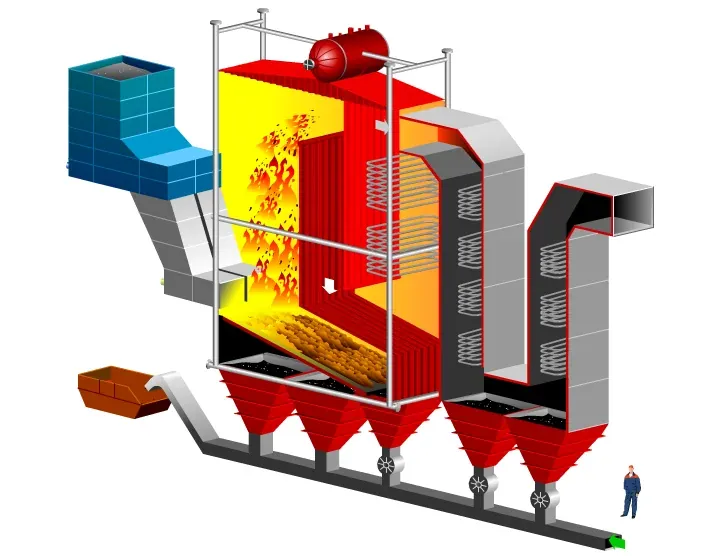
A steam boiler supplies steam for industrial processes or a steam turbine. A thermal oil system transfers heat through liquid heat transfer oil and can be combined with an ORC module. The form of energy required by the process determines the choice. Fuel, operating conditions and scope of supply are coordinated for the individual project.
| Selection criterion | Steam boiler | Thermal oil system |
|---|---|---|
| Heat transfer medium | Steam | Liquid thermal oil |
| Process heat | Steam for heating industrial processes | Heat transfer through a thermal oil circuit |
| Power generation | Combined with a steam turbine | Combined with an ORC module |
| Initial design data | Required steam mass flow, pressure and temperature | Required heat output and temperatures in the thermal oil circuit |
The original process diagram shows how the plant components interact. It is an example of a system, not a simulation or binding plant design.
Original image · product detail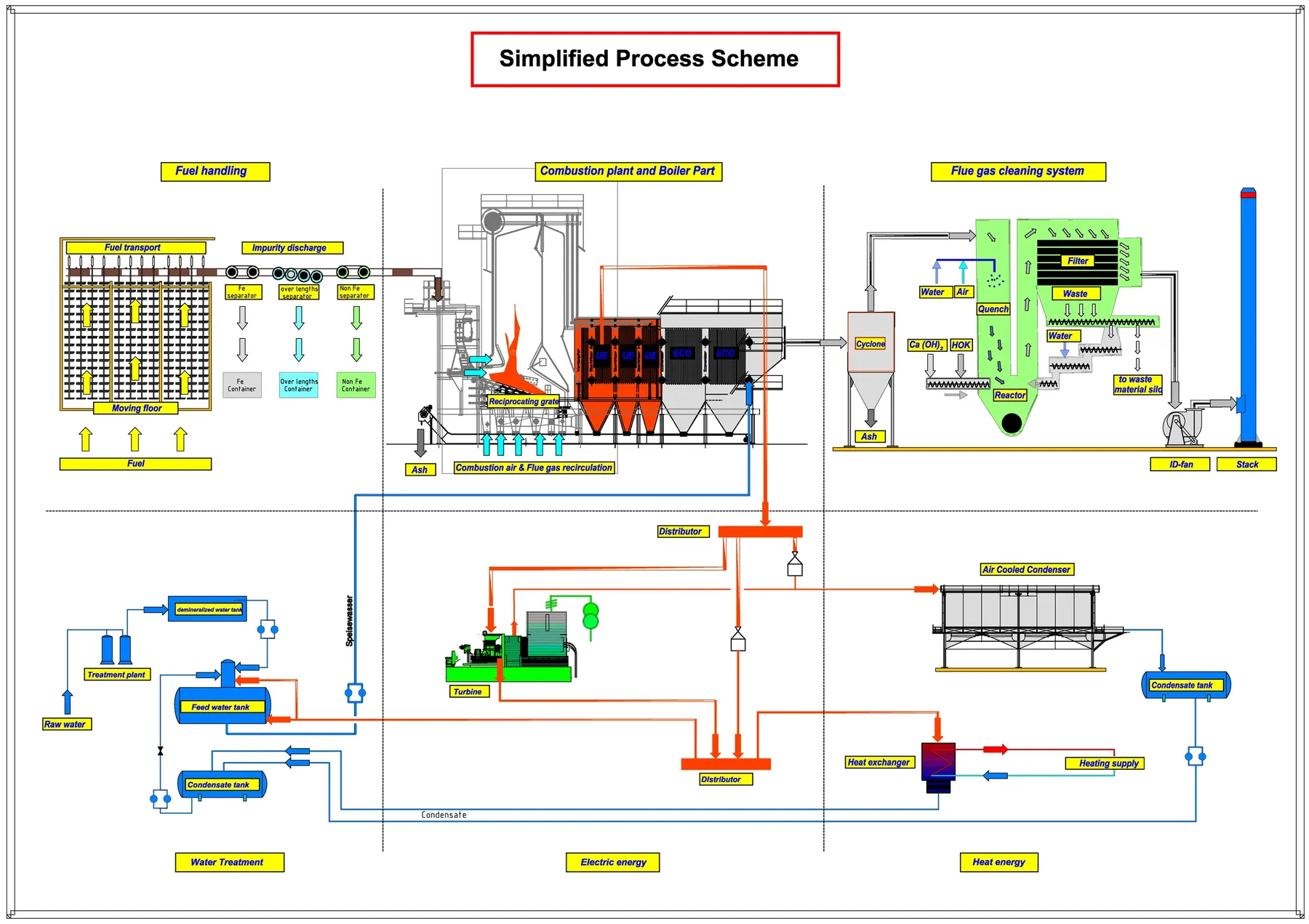
Material, media and structure determine the specific design.
Steam can heat a variety of industrial processes.
Steam can be used in turbines to generate electricity. The combination depends on the plant.
Boilers and Kablitz combustion systems are combined for the application. Kablitz also supplies complete CHP plant technology.
The design depends on the specific plant.
| Product | Design | Application | Details |
|---|---|---|---|
| Vertical water-tube boiler | Biomass | Vertical water-tube boiler for a plant-specific design. | View details |
| Horizontal water-tube boiler | Horizontal water-tube boiler / tail-end | Horizontal water-tube boiler for a plant-specific design. | View details |
| Fire-tube combination boiler | Fire-tube boiler with water-tube cooling screen | Fire-tube combination boiler for a plant-specific design. | View details |
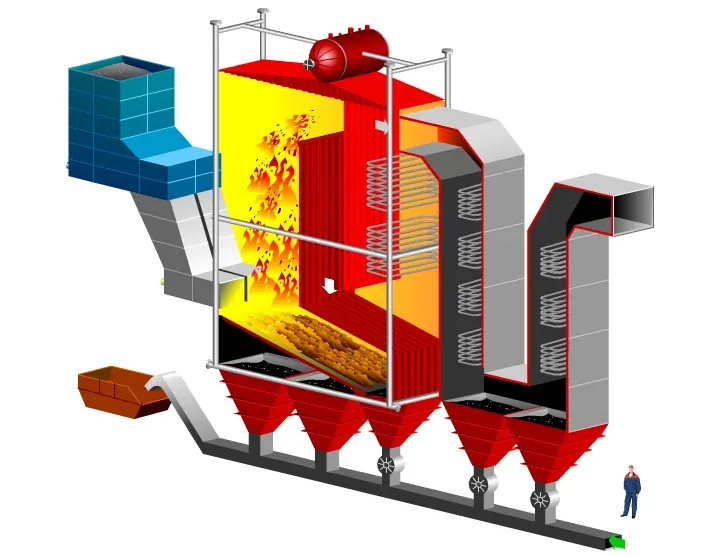
Vertical water-tube boiler for a plant-specific design.
Classic vertical water-tube boilers for biomass. Output, pressure and temperature are each upper limits and do not describe a combined operating point.
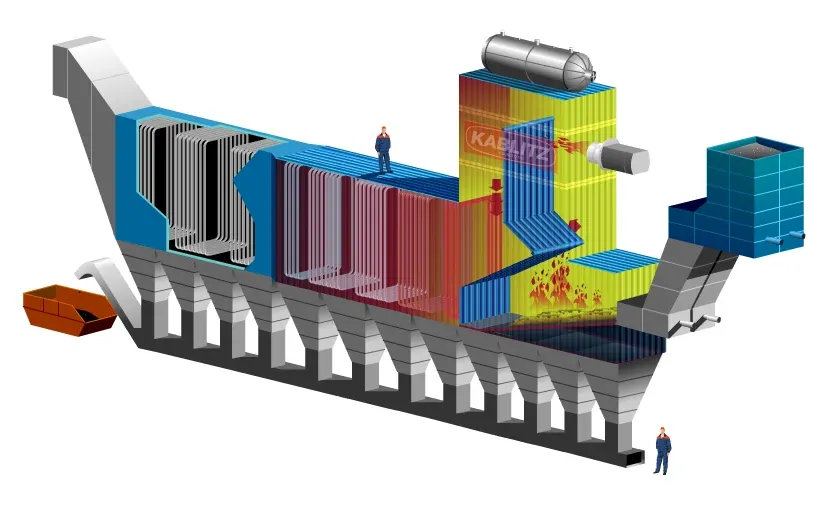
Horizontal water-tube boiler for a plant-specific design.
Horizontal water-tube boilers are used for the combustion of waste wood and RDF/SRF.
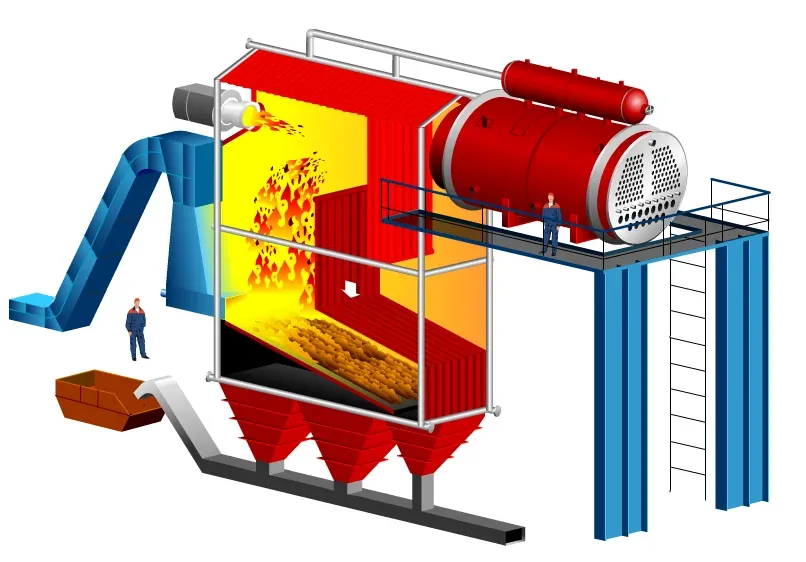
Fire-tube combination boiler for a plant-specific design.
Fire-tube boilers with a cooling screen of water tubes are built as combination boilers. The specific design and permissible operating conditions are defined for each plant.
Loading plays the video from YouTube (Google) in privacy-enhanced mode and sends information including your IP address and browser data to Google. Privacy
Biomass CHP plant
Ask Kablitz for the technical documents relevant to your product and application.
Last updated:
Request documents by emailDiscuss media, temperatures and installation conditions with Kablitz.
Get in touchOutput, pressure and temperature are specified for the individual boiler and application. The stated upper limits do not describe a jointly guaranteed operating point. Required steam mass flow, pressure and temperature, together with the intended fuel, are important for selection. If a form of energy other than steam is required, boiler technology must be matched accordingly.
Thermal oil systems for another form of energyDescribe the required form of energy, output and operating conditions. For steam, mass flow, pressure and temperature are useful; for hot water, thermal oil or hot gas, provide the relevant temperatures and output data.
Planning a biomass plant: the data you need for a first conversationYes. Technical checklist fields are optional: provide the data you already know and leave outstanding points for further discussion.
Start a project inquiry