From plates to blocks
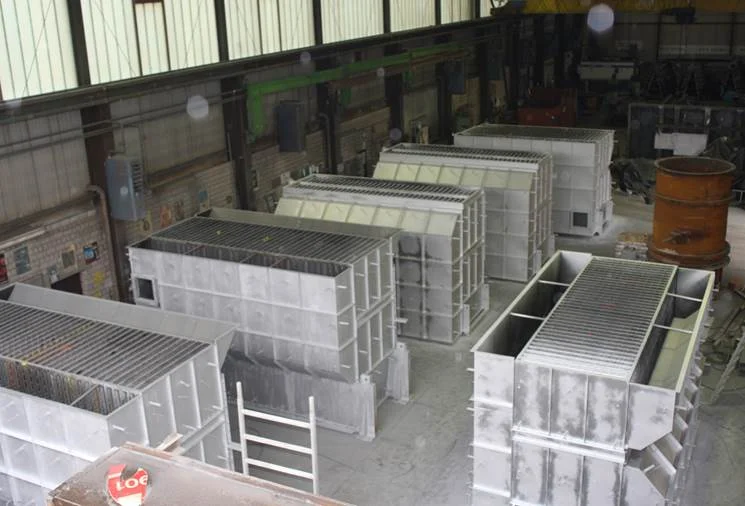
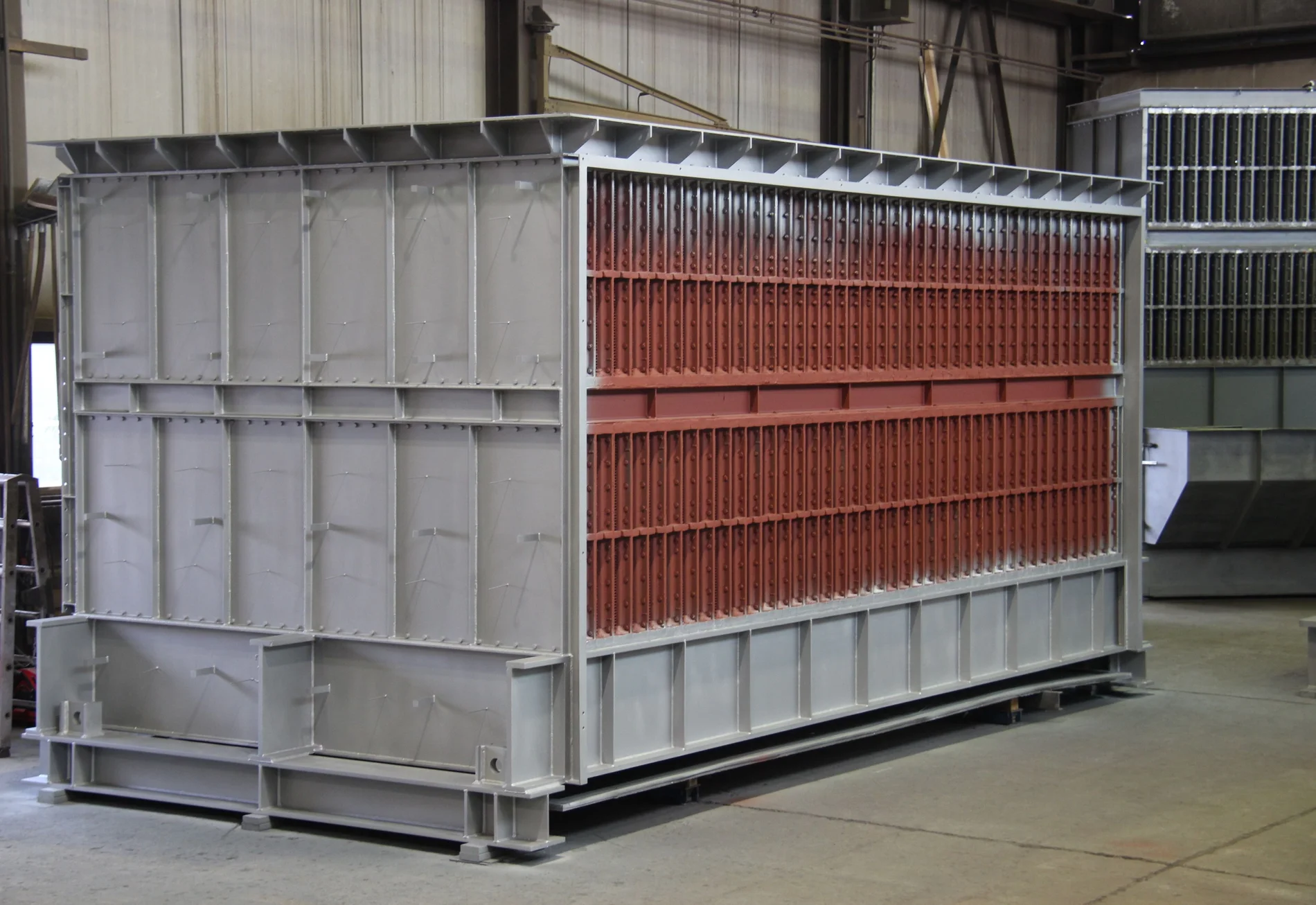
The individual finned plates are bolted together into pockets and then joined to form blocks. A seal lies between the pockets.

Heat recovery for gaseous media. Cast-iron finned plates are joined into pockets and blocks and designed for the requirements of each plant.
Discover the technology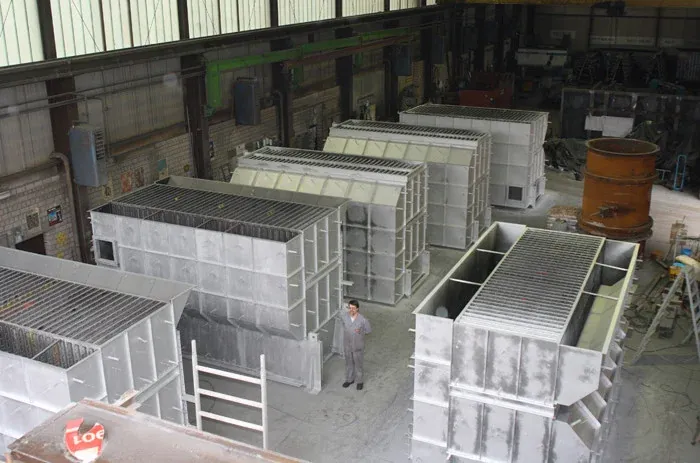
The shape of the fins distributes the gas or air flow across the heating surface. The image shows the original plate geometry; it is not a flow simulation.
Original image · product detail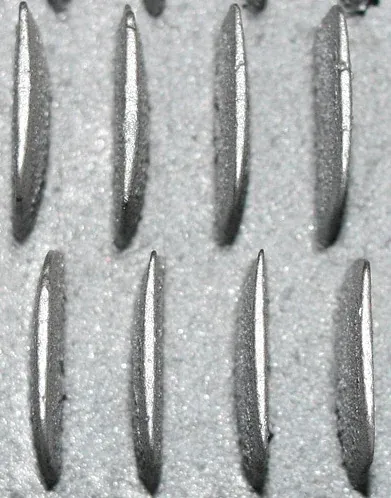
Material, media and structure determine the specific design.
The individual finned plates are bolted together into pockets and then joined to form blocks. A seal lies between the pockets.
Suitable for air, hydrogen, natural gas, oxygen and exhaust gases from combustion processes. Suitability is checked for the specific application.
Standardised finned plates and a modular structure allow different arrangements. Every heat exchanger is designed individually.
Material and media determine the design.
| Product | Design | Application | Details |
|---|---|---|---|
| Finned plate heat exchanger | Cast iron | Modular cast-iron heat exchanger for gaseous media. | View details |
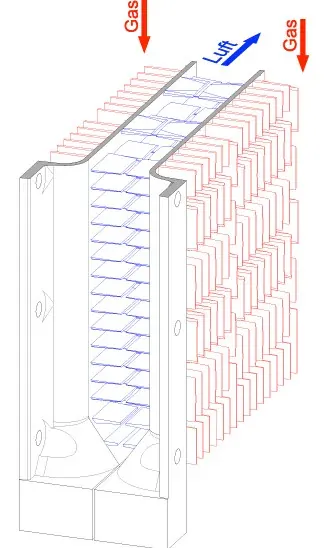
Modular cast-iron heat exchanger for gaseous media.
The structure is self-supporting and built from standardised finned plates. The shape and arrangement of the fins combine a concentrated heating surface with a small footprint.
Cast iron resists corrosion and erosion and conducts heat well. No general service life or freedom from maintenance is promised here.
Cleaning is automatic, using soot blowers or water washing rakes. Which version is suitable depends on the specific plant and the media.
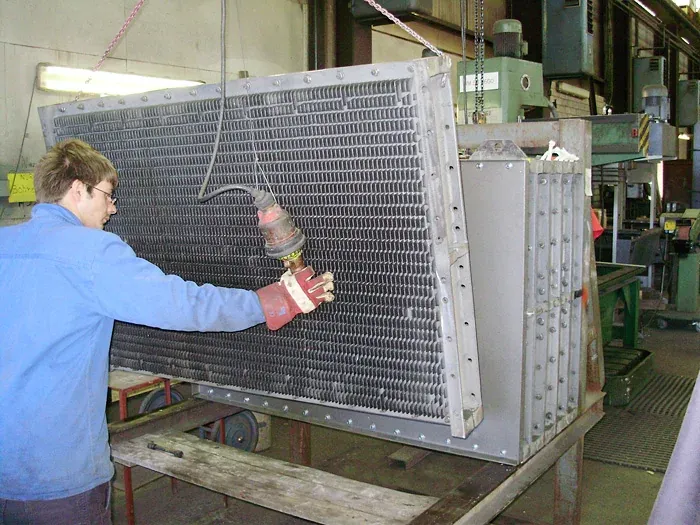
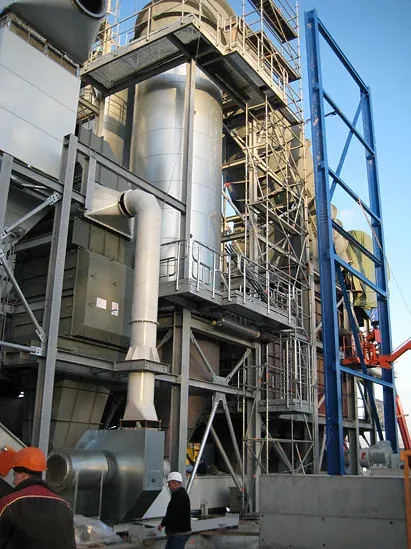
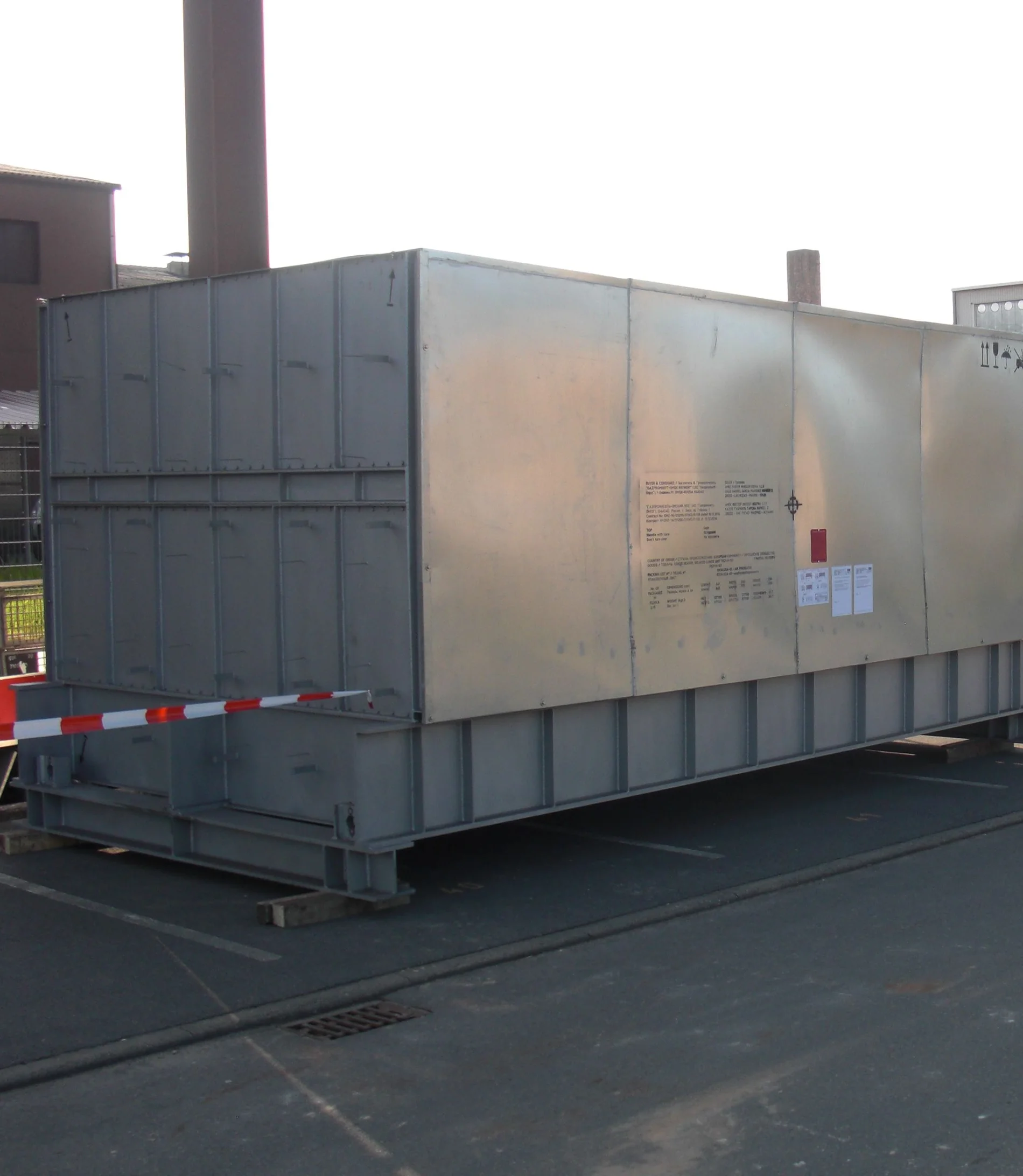
A look at the manufacture and preparation of heat exchanger modules. Structure and dimensions depend on the plant in question.
Recuperative heat exchangers
Ask Kablitz for the technical documents relevant to your product and application.
Request documents by emailDiscuss media, temperatures and installation conditions with Kablitz.
Fill in the questionnaireUseful data includes flue gas and air flow rates, inlet and outlet temperatures, operating pressure and allowable pressure losses. Where known, describe flue gas composition, dew point and available installation space.
Yes. Technical checklist fields are optional: provide the data you already know and leave outstanding points for further discussion.
Start a project inquiryRequest a heat exchanger
The questions follow the checklist our engineers use to prepare a quotation. Everything except your contact details is optional: leave open whatever you do not know yet.